
Creating a Technology-Free Zone at Home: Benefits and How-To
A practical guide to building a technology-free zone at home — which rooms work best, how to set the rules so they actually hold, and the benefits people notice in the first two weeks.
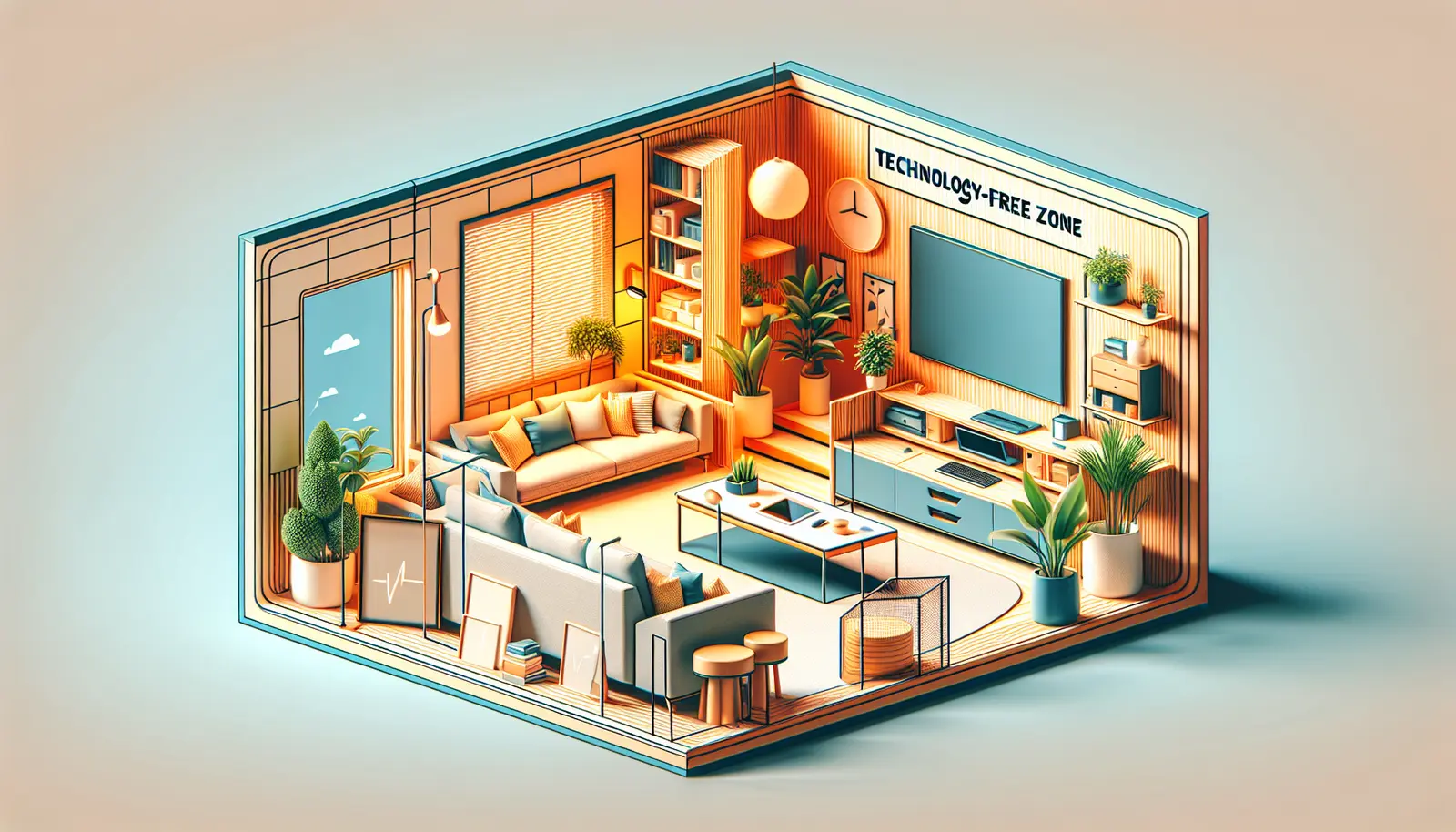

24 min read
What You Need to Know
A technology-free zone does the one thing willpower cannot: it removes the decision. If the phone is not in the bedroom, you do not have to resist checking it at 2am. If the dining table is a no-phone surface, dinner conversation does not need to compete with a notification buzz. Most of the benefit of a tech detox can come from changing one or two rooms in your house.
This guide covers which rooms to pick first (bedroom, dining area, and wherever you actually read or relax), how to set rules that hold when guests or family push back, where to physically store devices so they are available but not magnetic, and what people usually notice in the first two weeks — better sleep, more real conversation, lower background anxiety. Pair with our broader benefits of tech-free areas roundup.
Understanding Technology-Free Zones
Definition and Purpose
A technology-free zone is a designated area in the home where electronic devices such as smartphones, tablets, computers, and televisions are not allowed. The primary goal of establishing these zones is to promote a healthier lifestyle by reducing dependence on technology and fostering face-to-face interactions among family members. By creating calm spaces within the home, individuals can experience increased mindfulness, improved mental health, and enhanced family bonding.
The purpose of a technology-free zone encompasses several key benefits:
- Reduced Stress: Constant notifications and digital distractions can contribute to heightened stress levels. A tech-free area allows individuals to disconnect and rejuvenate.
- Enhanced Communication: Without the distraction of devices, families can engage in meaningful conversations, strengthening their relationships.
- Improved Focus: Individuals can concentrate better on tasks or hobbies when freed from the incessant pull of technology.
- Better Sleep: Limiting screen time, especially before bed, can lead to improved sleep quality.
Current Trends in Tech-Free Living
In recent years, there has been a noticeable rise in the digital detox movement, emphasizing the importance of taking breaks from technology. According to a study published by the American Psychological Association, over 60% of Americans report feeling overwhelmed by the constant connectivity facilitated by their devices. This overwhelming sensation has prompted many to seek refuge in technology-free areas, both at home and in public spaces.
Recent statistics highlight the growing awareness of the negative impacts of technology on mental health:
- A survey conducted by the Pew Research Center found that 54% of respondents felt that they were overly reliant on their devices, leading to increased anxiety and stress levels.
- Another report from the World Health Organization indicates that excessive screen time is linked to a 30% increase in anxiety and depression among young adults.
These findings reflect a broader societal trend towards embracing technology-free living as a viable strategy for improving mental health and overall well-being.
Case Studies of Families Benefiting from Tech-Free Zones
Several families have successfully implemented technology-free zones in their homes, reaping significant benefits. Here are some notable examples:
The Johnson Family: After realizing that their dinner conversations were often interrupted by smartphones, the Johnsons designated their dining room as a tech-free zone. They report that their mealtimes have transformed into cherished family rituals, enhancing their communication and bonding. The absence of devices has led to deeper discussions about their daily lives and feelings.
The Garcia Family: The Garcias created a cozy reading nook in their home where no technology is permitted. This space has become a beloved retreat for family members, fostering a love for reading and quiet reflection. They have noticed that their children spend more time engaged in creative pursuits, such as drawing and storytelling, rather than passive screen consumption.
The Smith Family: The Smiths decided to implement a weekend technology-free zone in their living room. They use this time for board games, outdoor activities, and family projects. The family reports feeling more connected and engaged with one another, attributing their improved relationships to the time spent together without the interference of screens.
These case studies illustrate the profound impact that establishing technology-free zones can have on family dynamics and overall quality of life.
Conclusion
Creating a technology-free zone at home is more than just a trend; it represents a conscious effort to prioritize mental health and family connections in an increasingly digital world. By understanding the benefits of tech-free areas and recognizing the current trends in tech-free living, families can take actionable steps towards fostering a calmer, more connected home environment.
For more insights on the impact of technology on mental health, check out the research conducted by Harvard University and the latest findings from Pew Research Center. As we navigate the complexities of modern life, establishing technology-free zones may be one of the most significant steps we can take to create a more harmonious living space.
Benefits of Tech-Free Areas
Creating a technology-free zone at home comes with a multitude of benefits that can significantly enhance your mental well-being and strengthen family bonds. Recent studies have highlighted the positive impacts of tech-free living, revealing how these spaces can foster a more connected and serene lifestyle.
Mental Health Improvements
The link between technology use and mental health issues such as anxiety and depression has been well-documented. As technology becomes more ingrained in our daily lives, the need for a reprieve is increasingly recognized by researchers and health professionals.
Reduced Anxiety: A study published in the Journal of Environment and Behavior found that individuals who spent time in environments free from digital distractions reported significantly lower levels of anxiety. The calming effects of engaging with nature and being present in the moment can lead to improved mental states.
Mindfulness and Presence: Tech-free zones encourage mindfulness practices, allowing individuals to focus on the present. According to a report by the American Psychological Association, mindfulness has been shown to decrease symptoms of anxiety and depression, promoting a healthier mental state.
Stress Reduction: Engaging in activities without the interference of screenssuch as reading, meditating, or enjoying a hobbycan lead to decreased cortisol levels. A study conducted by the University of Sussex showed that just six minutes of reading can reduce stress levels by up to 68%.
Testimonials from individuals who have embraced tech-free areas in their homes reinforce these findings:
“Creating a tech-free zone in my living room has transformed my evenings. I feel more relaxed and less anxious when I spend time reading or journaling instead of scrolling through my phone.” Sarah T., a tech-free advocate from Austin, Texas.
“I never realized how much my phone was affecting my mood. Since implementing a tech-free space in my home, I feel more at peace and connected to my family.” James R., a father of two from Seattle, Washington.
Enhanced Family Connections
One of the most significant benefits of establishing tech-free areas in your home is the improvement in family relationships. In our technology-driven world, it’s easy to become physically present but emotionally disconnected.
Improved Communication: Without the distraction of devices, families can engage in more meaningful conversations. A study by the Pew Research Center revealed that families who prioritize tech-free meals report better communication and stronger relationships.
Quality Time: Tech-free zones create opportunities for families to spend quality time together. Engaging in board games, cooking, or simply talking can deepen connections. According to a survey conducted by the National Recreation and Park Association, families that spend time together outdoors report higher levels of satisfaction and happiness.
Strengthened Bonds: Participating in activities without technology can foster teamwork and collaboration. A case study on family dynamics highlighted that families who engage together in tech-free activities, such as hiking or sports, develop stronger emotional ties.
Examples from families who have found success in their tech-free zones include:
“Our family dinners have become a ritual. Without phones at the table, we share stories and laugh together like we haven’t done in years.” Maria L., a mother from New York.
“We started having tech-free game nights every Friday, and it’s been a game changer for our relationship with our kids. We feel more connected and involved in their lives.” Tom K., a father from Chicago.
The benefits of creating tech-free areas extend far beyond just a temporary escape from screens. They offer profound improvements in mental health and family relationships, leading to a more fulfilling and connected life.
Conclusion
In summary, the advantages of establishing technology-free zones at home are significant and far-reaching. From enhancing mental health by reducing anxiety and stress to fostering stronger family connections through improved communication and quality time, the benefits of tech-free areas are invaluable. As more individuals and families recognize these advantages, the movement towards creating calm spaces free from digital distractions continues to grow.
For further insights on the impact of technology on mental health, you can explore NPR’s coverage on mental health and the American Psychological Association’s resources. Additionally, to understand the importance of family connections in the digital age, the Pew Research Center provides valuable data.
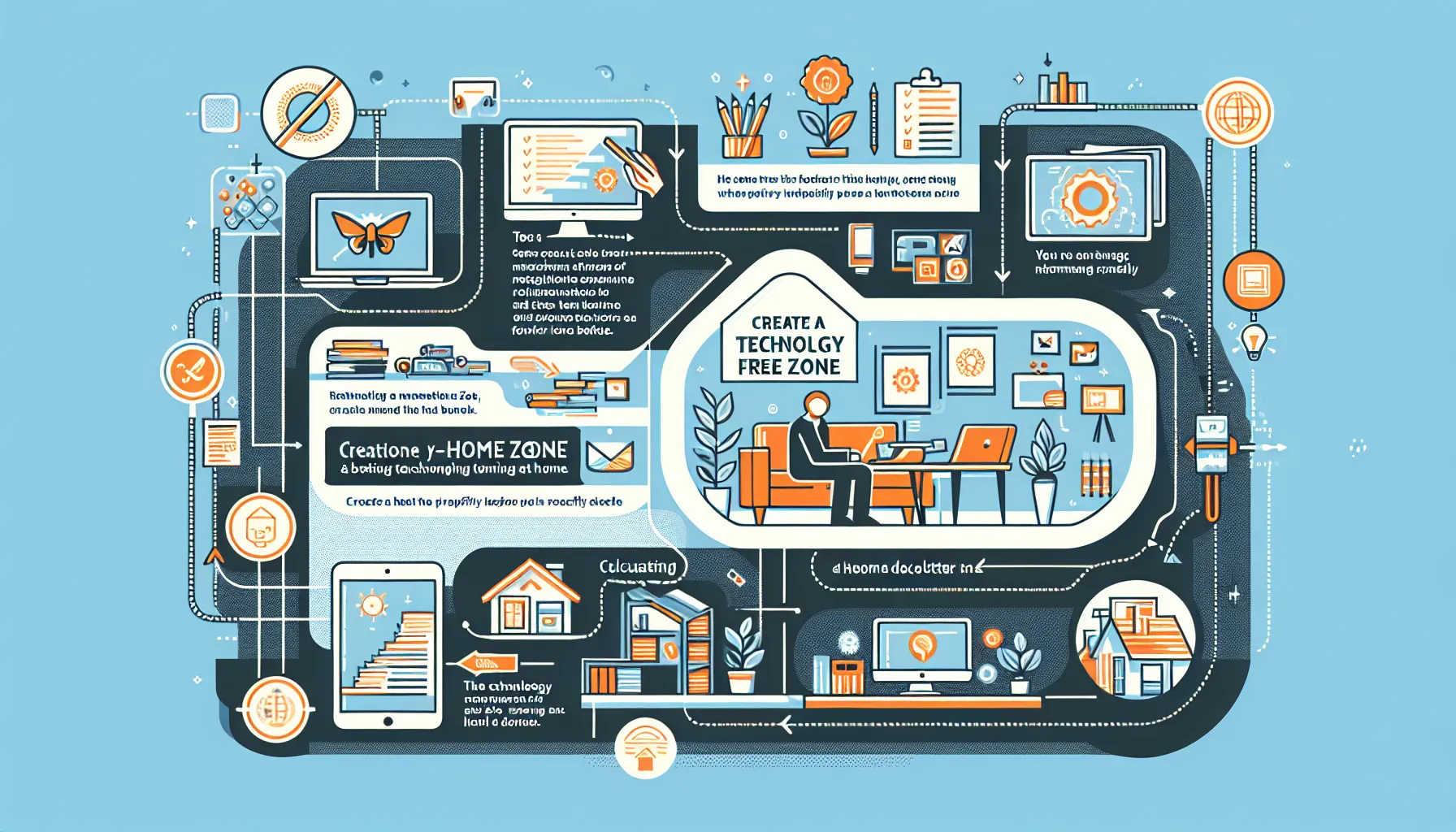
Home Declutter Tips for a Tech-Free Zone
Creating a technology-free zone in your home can significantly enhance your mental well-being and foster peaceful interactions among family members. To make this possible, effective decluttering is essential. In this section, we will explore strategies for organizing your space and choosing the right location for your tech-free area.
Organizing Your Space
Decluttering technology-related items can feel overwhelming, but breaking it down into manageable steps can lead to a more organized and calming environment. Here are some strategies to help you effectively declutter your home:
Assess Your Technology: Start by evaluating all the technology you have at home. This includes smartphones, tablets, laptops, gaming consoles, and other gadgets.
Decide what you truly need and use regularly. According to a recent survey by the Pew Research Center, 85% of Americans feel overwhelmed by the amount of technology they own. This indicates a common need to simplify.
Create a Discard and Donate Plan: For items you no longer use or need, consider:
Discarding broken or outdated devices.
Donating functional items to local charities or schools. This not only declutters your space but also helps those in need.
Limit Technology in Certain Rooms: Designate specific areas in your home for technology use, while keeping other spaces tech-free. For example, you could:
Keep devices out of bedrooms to promote better sleep.
Create a tech-free dining area to encourage family conversations.
Use Storage Solutions: Invest in storage solutions that can keep technology out of sight but easily accessible when needed. Consider:
Storage boxes or bins labeled specifically for gadgets.
An attractive cabinet that can house chargers and devices while keeping your space looking tidy.
Visualize the Change: Before-and-after photos can be a great motivator. Take pictures of your spaces before decluttering and then again after the process. Not only does this show progress, but it also serves as a reminder of the calm spaces youve created.
Choosing the Right Location
Identifying optimal areas in your home for a tech-free zone is crucial for its success. Here are some tips to help you choose the ideal location:
Consider High-Traffic Areas: Look for areas where family members gather frequently, like living rooms or dining areas. Transforming these spaces into tech-free zones can foster communication and connection.
Utilize Natural Light: Areas with natural light can create a more inviting atmosphere. Spaces such as sunrooms or areas near large windows can be ideal for relaxation without distractions. A study from Harvard University highlights that natural light can significantly enhance mood and productivity.
Designate Quiet Corners: If you have a quiet corner in your home, consider transforming it into a serene space for reading or meditation. This can easily become a tech-free zone by incorporating comfortable seating and soft lighting.
Avoid Bedrooms and Workspaces: While it may be tempting to create a tech-free zone in these areas, they are often associated with productivity and rest. Keeping technology out of these spaces can contribute to better sleep and more focused work.
Make it Personal: Personalize your tech-free zone with items that promote relaxation, such as books, plants, or artwork. This will help reinforce the purpose of the space as a calm retreat.
Summary
Creating a technology-free zone at home not only declutters your physical space but also supports mental clarity and emotional well-being. By implementing effective home declutter tips and carefully selecting the right locations, you can foster an environment that encourages relaxation and connection within your family.
For more insights on decluttering and creating peaceful spaces, consider checking out resources from Harvard University and Pew Research Center. Embracing a tech-free lifestyle can lead to profound benefits, including improved relationships and well-being. Start today by taking small steps towards creating your own tech-free zone.
Creating Calming Spaces in Your Home
Creating a technology-free zone is an effective strategy for fostering a peaceful atmosphere in your home. By designing calming spaces and incorporating elements of nature, you can significantly enhance the benefits of tech-free areas. This section will explore how to design these environments and the crucial role natural elements play in promoting relaxation.
Designing the Environment
The colors and materials used in your home can profoundly affect your mood and sense of well-being. When designing a calming space, consider the following elements:
Color Palette: Choose soft, neutral colors like light blues, greens, and beige, which are known to evoke a sense of tranquility. Studies show that blue hues can reduce stress and promote feelings of serenity. A recent survey from the Architectural Digest notes that 48% of homeowners prefer calming color schemes for their living spaces.
Materials: Opt for natural materials such as wood, stone, and cotton. These materials not only create a soothing aesthetic but also contribute to a healthier indoor environment. For instance, hardwood floors and natural fiber rugs can help minimize allergens, creating a more welcoming atmosphere.
Furniture Arrangement: Arrange furniture to create open, airy spaces. Avoid clutter and ensure that seating areas encourage conversation and relaxation. A study published by the Journal of Environmental Psychology indicates that open layouts can improve mood and promote social interaction.
Lighting: Use soft, warm lighting to create a cozy atmosphere. Consider dimmable lights or lamps with soft shades to avoid harsh glare. Incorporating natural light through large windows or skylights can also enhance the calming effect.
Inspirational Designs:
Minimalist Living Room: A spacious layout with neutral-colored walls, wooden furniture, and a large window allowing natural light to flood the room creates a serene environment.
Meditation Nook: A corner filled with cushions in calming colors, surrounded by plants and books, serves as a perfect retreat for mindfulness and relaxation.
Tech-Free Bedroom: Featuring soft bedding, gentle lighting, and natural wood accents, a tech-free bedroom encourages restful sleep and tranquility.
Incorporating Nature
Bringing elements of nature into your home can significantly enhance the calming effect of your technology-free zone. Heres how to effectively incorporate natural elements:
Indoor Plants: Studies show that having plants indoors can improve air quality and reduce stress levels. The American Psychological Association cites that people who interact with plants report lower levels of anxiety.
Natural Scents: Use essential oils or scented candles with calming fragrances like lavender or sandalwood. Aromatherapy has been shown to lower stress hormones and improve mood.
Water Features: If feasible, consider adding a small indoor fountain. The sound of flowing water can create a serene ambiance and promote relaxation.
Natural Views: Position seating areas to face windows with views of gardens or trees. Research from the University of Exeter suggests that exposure to nature can enhance well-being and productivity.
Examples of Nature-Inspired Tech-Free Areas:
Garden Rooms: A dedicated space surrounded by large windows and filled with greenery offers a peaceful retreat from technology.
Zen Gardens: Simple rock gardens or arrangements of sand and stones can serve as calming focal points, inviting mindfulness and tranquility.
Nature-Inspired Decor: Use artwork depicting natural landscapes or photographs of serene outdoor scenes to create a calming environment.
Benefits of Calming Spaces
Creating calm spaces in your home not only promotes relaxation but also offers a range of other benefits. Here are some key advantages:
Enhanced Focus: Tech-free areas help reduce distractions, allowing for better concentration on tasks such as reading, writing, or meditating.
Improved Mental Health: A peaceful environment can help alleviate symptoms of anxiety and depression, fostering a sense of emotional well-being.
Better Sleep Quality: Establishing a tech-free zone in your bedroom can lead to improved sleep hygiene, resulting in more restful nights.
Increased Social Interaction: Spaces designed for comfort and conversation encourage family members and friends to spend quality time together without the interruption of devices.
In conclusion, designing calming spaces and incorporating natural elements into your home can significantly enhance the benefits of creating a technology-free zone. By following these home declutter tips and focusing on design elements that promote relaxation, you can cultivate an environment that nurtures peace and well-being.
For further insights into the importance of creating serene living spaces, consider exploring the American Psychological Association and Architectural Digest.
Future Projections for Technology-Free Living
Creating technology-free zones in homes is becoming an increasingly popular trend as individuals and families seek to disconnect from the constant barrage of digital distractions. While the benefits of tech-free areas are well-documented, understanding emerging trends and potential challenges is essential for those looking to establish and maintain these serene sanctuaries.
Emerging Trends
Rise of Urban Tech-Free Zones: Urban planners and community leaders are recognizing the importance of tech-free spaces in cities. According to a recent report from the American Planning Association, over 70% of urban planners believe that creating designated areas free from technology can enhance community well-being and promote social interaction. As cities become more congested and technology-saturated, the demand for such spaces is expected to rise.
Integration of Nature for Wellness: Nature-based therapy and wellness retreats are gaining traction, with many incorporating tech-free zones. Research from the University of Exeter highlights that spending time in green spaces can significantly reduce stress and anxiety levels. This trend is leading to the establishment of parks and outdoor areas specifically designed to promote a tech-free lifestyle, encouraging individuals to unplug and connect with nature.
Mindfulness Movements: The mindfulness movement is intertwined with the tech-free zone trend. Studies suggest that mindfulness practices, which promote awareness and presence, are more effective in environments devoid of distractions. An increasing number of individuals are joining meditation groups or yoga classes in tech-free environments, reinforcing the importance of creating calm spaces in daily life.
Increased Market for Home Products: The demand for products that facilitate technology-free living is on the rise. Companies are developing furniture and decor designed to support unplugged lifestyles, such as analog games, bookshelves filled with literature, and even specialized lighting that promotes relaxation. According to a market analysis by The Verge, sales of non-digital leisure products have increased by 25% over the last two years, reflecting a significant shift in consumer preferences.
Potential Challenges
While the benefits of technology-free zones are clear, individuals may face several challenges in maintaining these spaces:
Digital Dependency: Many individuals are so accustomed to technology that disconnecting can create feelings of anxiety or discomfort. A study by the Pew Research Center found that over 50% of adults feel uneasy when they are away from their devices for extended periods. This dependency can make it difficult to establish and sustain a technology-free zone.
FOMO (Fear of Missing Out): In a hyper-connected world, the fear of missing out can discourage individuals from fully engaging in tech-free environments. Social media and instant messaging have created a culture of constant updates, making it difficult for people to step back and enjoy tech-free living.
Family Dynamics: Families may struggle to agree on tech-free policies. Children, in particular, may resist limits on technology use, leading to conflict. It is essential for families to communicate openly about the reasons for creating a technology-free zone and to involve everyone in the decision-making process.
Cultural Resistance: In some cultures, technology is deeply ingrained in social interactions and daily routines. Transitioning to a tech-free lifestyle may be met with resistance from family members or friends who view technology as a necessary component of modern life.
Insights from Experts
Experts emphasize that overcoming these challenges requires deliberate effort and a commitment to mindful living. Dr. David Greenfield, a psychologist specializing in technology addiction, suggests that “the key to creating a successful technology-free zone is to establish clear boundaries and to promote engaging activities that draw people away from their devices.”
Furthermore, social psychologist Dr. Sherry Turkle, author of “Alone Together,” argues that “we need to reclaim our time and attention from technology. By creating tech-free zones, we foster genuine connections with ourselves and others.”
As the trend toward technology-free living continues to grow, it is imperative for individuals to navigate the associated challenges thoughtfully. Embracing these spaces can lead to improved mental health, stronger relationships, and a greater sense of calm in an increasingly chaotic world.
For more insights into the impact of technology on our lives, check out Pew Research Center’s findings and the latest discussions on The Verge regarding digital dependency and wellness trends.
Creating a technology-free zone at home not only allows for decluttering both physical and mental spaces but also fosters a healthier lifestyle in a world that often feels overwhelming.
Key Takeaways
Creating a technology-free zone at home offers a multitude of lifestyle benefits that can enhance well-being and foster deeper connections among family members. As the world increasingly embraces digital devices, the importance of carving out spaces free from screens cannot be overstated. By designating a specific area in your home as tech-free, you can encourage mindfulness, promote healthier interactions, and ultimately improve mental health.
Currently, many individuals and families have begun to recognize the value of disconnecting from technology, even if just for short periods. An excellent way to start this journey is by implementing a small-scale tech-free zone. Perhaps select a corner of your living room, a cozy nook in your bedroom, or even the dining table as a place where devices are left behind. This approach can facilitate quality conversations, reading sessions, or simply moments of quiet reflection. As you become more comfortable with this practice, you may find yourself expanding this tech-free zone to include more areas of your home.
Moreover, the trend towards tech-free living is expected to grow as awareness of the negative impacts of excessive screen time increases. According to a report by Psychology Today, many families are seeking balance in their lives and are prioritizing face-to-face interactions over online engagements. As this movement gains momentum, it is likely that more resources and communities will emerge to support individuals looking to adopt a tech-free lifestyle.
With expert recommendations advocating for a balanced approach to technology use, now is the perfect time to take action. Consider implementing family tech-free nights, where everyone unplugs and engages in board games, arts and crafts, or outdoor activities. These shared experiences not only strengthen relationships but also instill a sense of belonging and connection that technology often undermines.
As we look to the future, the growing awareness surrounding mental health and well-being indicates a promising shift towards more intentional living. According to an article on Forbes, the emphasis on mindfulness and mental health will likely drive more families to adopt technology-free zones as a means of enhancing their quality of life. By embracing this trend, individuals can cultivate environments that nurture creativity, relaxation, and genuine human connection.
In conclusion, the concept of creating a technology-free zone at home presents an opportunity for individuals and families to reclaim their time and foster more meaningful relationships. As you embark on this journey, remember that starting small can lead to significant changes. Be proactive in establishing these spaces, and join the growing movement of those prioritizing tech-free living. Your well-being and relationships will thank you for it.
Frequently Asked Questions
What is a technology-free zone?
A technology-free zone is a designated area in your home where the use of electronic devices such as smartphones, tablets, and computers is prohibited. This space encourages face-to-face interaction, enhances family bonding, and promotes engagement in non-digital activities. Creating a tech-free zone can help reduce distractions, improve mental well-being, and foster a more mindful environment. It serves as a sanctuary where individuals can disconnect from the digital world and reconnect with each other.
How can I encourage my family to participate in a tech-free area?
To encourage family participation in a tech-free area, start by discussing the benefits of disconnecting from devices, such as improved communication and bonding. Involve everyone in setting up the space, making it inviting and comfortable. Establish clear rules about device usage during designated times, and lead by example by also disconnecting. Incorporate fun activities that everyone enjoys, and regularly remind the family about the positive experiences gained from spending time together without technology.
What activities can we do in a technology-free zone?
In a technology-free zone, families can engage in a variety of activities that promote interaction and creativity. Consider options like board games, reading books, crafting, or cooking together. Outdoor activities such as gardening, hiking, or playing sports can also be enjoyable. Encourage storytelling sessions or family discussions to deepen connections. These activities not only fill the time but also foster teamwork and strengthen relationships, making the tech-free zone a cherished part of family life.
How do I choose the best location for a technology-free zone in my home?
Choosing the best location for a technology-free zone involves finding a space that is comfortable, quiet, and conducive to interaction. Consider areas like the living room or a cozy den, where family members naturally gather. Ensure its free from distractions associated with technology, such as TV or computers. Additionally, make sure the space has comfortable seating and good lighting to enhance the experience. Personalizing the area with family photos or games can make it more inviting and encourage regular use.
How can we maintain a technology-free zone over time?
Maintaining a technology-free zone requires consistent effort and communication. Regularly remind your family of the benefits of the zone and encourage participation through scheduled tech-free times. Create a routine that incorporates tech-free activities, such as family game nights or reading hours. Address any challenges openly and adjust rules if necessary. Celebrate milestones or improvements in family bonding, reinforcing the positive aspects of spending time together without technology, which will help sustain the practice in the long run.
What are some common challenges of having a technology-free zone?
Common challenges of maintaining a technology-free zone include resistance from family members who are accustomed to constant device usage. Initial withdrawal symptoms from technology, such as boredom or frustration, can also occur. Additionally, balancing technology use in other areas of life while committing to the tech-free zone may be challenging. Open communication about these challenges is crucial. Encourage gradual adaptation and highlight the benefits of the zone to help family members embrace this new lifestyle more effectively.
Can a technology-free zone improve mental health?
Yes, a technology-free zone can significantly improve mental health by reducing stress and anxiety associated with constant connectivity. Disconnecting from devices allows individuals to engage in mindful activities, fostering relaxation and creativity. It promotes face-to-face interactions that can enhance emotional well-being and strengthen relationships. By creating a space free from digital distractions, family members can focus on personal connections, leading to improved mood, better communication, and a stronger sense of community within the household.
How often should we spend time in the technology-free zone?
The frequency of spending time in a technology-free zone can vary based on family schedules and preferences. However, aiming for at least a few hours each week can be beneficial. Consider setting aside specific times, such as family dinners, game nights, or weekend mornings, to ensure consistent participation. The key is to create regular opportunities for family engagement without devices. Flexibility is essential, so adjust the frequency as needed to keep it enjoyable and sustainable for everyone involved.