
How to Create a Minimalist Workspace for Maximum Focus
A practical minimalist workspace guide — what to keep on the desk, what to remove, and the specific setup choices that make deep work easier from day one.


23 min read
Getting Started
A minimalist workspace is not an aesthetic — it is a tool. You remove clutter from the desk not because it looks prettier but because every object in your visual field is a passive invitation to task-switch. The working principle is simple: only the things you need for the current task belong on the desk. Everything else goes into a drawer, a shelf, or out of the room.
This guide walks through the actual setup: the desk-surface rule (monitor, keyboard, mouse, one notebook, one water), the cable tidy that pays for itself in calm, lighting that supports long work blocks without headaches, and the digital equivalents — closed tabs, one-monitor focus mode, a small, quiet menu bar. We also cover the small human rituals (end-of-day desk reset, dedicated “start work” cue) that make the workspace actually function as a focus trigger, not just a Pinterest board.
The Philosophy Behind Minimalism
Definition of Minimalism
Minimalism is often understood as a lifestyle choice emphasizing simplicity and the intentional reduction of excess. In the context of a workspace, it entails stripping away non-essential elements to create a clean, uncluttered environment. This approach is not just about aesthetic appeal; it is rooted in the belief that a simplified space promotes mental clarity and enhances focus. As the renowned Japanese designer Kengo Kuma states, “Minimalism is about creating a sense of calm in our lives by removing the unnecessary.” This philosophy can be particularly beneficial in an increasingly distracting world.
Benefits of Minimalist Workspaces
The advantages of adopting a minimalist workspace extend beyond mere visual appeal. Research has shown that minimalism can significantly impact productivity and mental well-being. Below are some key benefits:
Promotes Mental Clarity: A minimalist workspace eliminates visual clutter, allowing the mind to focus on tasks without distractions. According to a study published in the Journal of Environmental Psychology, individuals working in uncluttered environments report higher levels of concentration and lower stress levels.
Reduces Distractions: In a world filled with constant notifications and interruptions, a minimalist workspace can serve as a sanctuary for focus. By removing unnecessary items and distractions, individuals can better engage with their work. A study by Steelcase found that 55% of employees felt more productive in workspaces designed for minimal distraction.
Enhances Creativity: Contrary to popular belief, minimalism can foster creativity. An uncluttered space allows for clearer thinking and the freedom to explore new ideas without being bogged down by visual noise. A survey by the American Psychological Association found that 50% of respondents believed a clean workspace helped stimulate creativity.
Facilitates Organization: A minimalist approach encourages better organization. By focusing on essential tools and materials, individuals can streamline their workflow and reduce time spent searching for items. This principle is echoed by productivity expert Marie Kondo, who emphasizes the importance of keeping only what “sparks joy.”
Leading Companies Adopting Minimalist Principles
Several leading companies have recognized the value of minimalist design in their workspaces. By creating environments that prioritize simplicity and functionality, these organizations have seen improvements in employee satisfaction and productivity.
Apple: Known for its sleek product designs, Apple applies minimalist principles to its office spaces as well. The company’s headquarters, Apple Park, features open spaces, natural light, and a focus on collaboration, all of which align with minimalist ideals.
Google: Google’s offices are designed to foster creativity and collaboration, but they also incorporate minimalist elements. The tech giant often opts for clean lines and unobtrusive decor, allowing employees to focus on their tasks without unnecessary distractions.
Airbnb: At its San Francisco headquarters, Airbnb employs a minimalist approach that reflects its brand ethos. Open spaces and simple furnishings create an inviting atmosphere, encouraging collaboration while minimizing clutter.
Conclusion
The philosophy of minimalism offers powerful insights into how to design a workspace that fosters productivity and focus. By understanding the definition of minimalism and recognizing its benefits, individuals and organizations can create environments that not only look good but also enhance mental clarity and reduce distractions. As the trend continues to gain traction, it is clear that a minimalist workspace is not just a design choice but a strategic approach to maximizing productivity in today’s fast-paced world.
For further reading on the impact of workspace design on productivity, consider exploring insights from Harvard Business Review and studies from Steelcase.
Key Elements of a Minimalist Workspace
Creating a minimalist workspace is not just about aesthetics; it’s about enhancing productivity and focus. A well-designed workspace can significantly impact your ability to concentrate and produce high-quality work. Here are the key elements to consider when designing your minimalist workspace: essential furniture, color scheme, and lighting.
Essential Furniture
When selecting furniture for a minimalist workspace, functionality and simplicity should be your guiding principles. The goal is to create an environment that is not cluttered and promotes efficiency.
Desk: Choose a desk that is spacious enough to accommodate your essential tools, such as a computer and notebooks, without overcrowding. A sleek, simple design made from natural materials can foster a calm atmosphere. For instance, the IKEA Bekant desk has a clean, modern look and is adjustable for standing or sitting.
Chair: Invest in an ergonomic chair that supports good posture and comfort. The Herman Miller Aeron chair is a popular choice among professionals for its adjustability and minimalist design, which helps maintain focus without distractions.
Storage Solutions: Opt for storage that is functional yet unobtrusive. Open shelving can be a great way to keep items visible but organized, while closed cabinets can hide away clutter. The Muji storage units offer a minimalist aesthetic while providing ample storage.
Accessories: Limit accessories to only what you need. A good rule of thumb is the “one in, one out” principle. When you bring something new into your workspace, consider removing an old item to maintain minimalism.
Recent studies show that a well-organized workspace can enhance productivity by up to 25% (source: Harvard Business Review). This statistic underscores the importance of choosing the right furniture to create a conducive work environment.
Color Scheme and Lighting
The colors and lighting in your workspace can significantly influence your mood and focus. Here are some strategies to consider:
Neutral Color Palette: A neutral color palette can create a calming effect, allowing you to focus better. Shades of white, gray, and beige can help reduce distractions. According to a survey by the International Association of Color Consultants, neutral colors are the most conducive to concentration in workspace design.
Accent Colors: If you’re looking to add a touch of personality, consider using accent colors sparingly. For example, a single bright-colored chair or artwork can provide a focal point without overwhelming the space.
Lighting: Natural light is ideal for a minimalist workspace, as it enhances mood and energy levels. Try to position your desk near a window if possible. If natural light is limited, invest in good quality LED lights that mimic daylight. The Philips Hue White and Color Ambiance bulbs can be adjusted to provide the perfect lighting for any time of day.
Case Studies of Successful Minimalist Designs
Exploring successful minimalist workspace designs can provide valuable insights into creating your own. Here are a few notable examples:
Google’s New York Office: Known for its innovative design, Google’s office incorporates a minimalist approach with open spaces, natural light, and functional furniture. The use of neutral colors combined with vibrant accents provides a stimulating yet calming environment for employees.
Airbnb’s Headquarters: The Airbnb office in San Francisco features a minimalist design that emphasizes simplicity and openness. Every piece of furniture and decoration serves a purpose, reducing distractions and promoting a focused work environment.
WeWork Spaces: The coworking giant WeWork has embraced minimalist design principles across its locations. With a focus on simple furniture, ample natural light, and a neutral color scheme, WeWork spaces are designed to enhance productivity and collaboration.
Conclusion
In summary, creating a minimalist workspace involves careful consideration of essential furniture, color scheme, and lighting. By choosing functional and simple pieces, employing a neutral color palette, and ensuring adequate lighting, you can design a workspace that fosters productivity and helps you maintain focus. As you plan your minimalist workspace, remember that the goal is to create an environment that reduces distractions and enhances your ability to work efficiently.
For further exploration of workspace design, consider checking out Wired’s insights on office design, which explore current trends and innovations shaping how we work today.
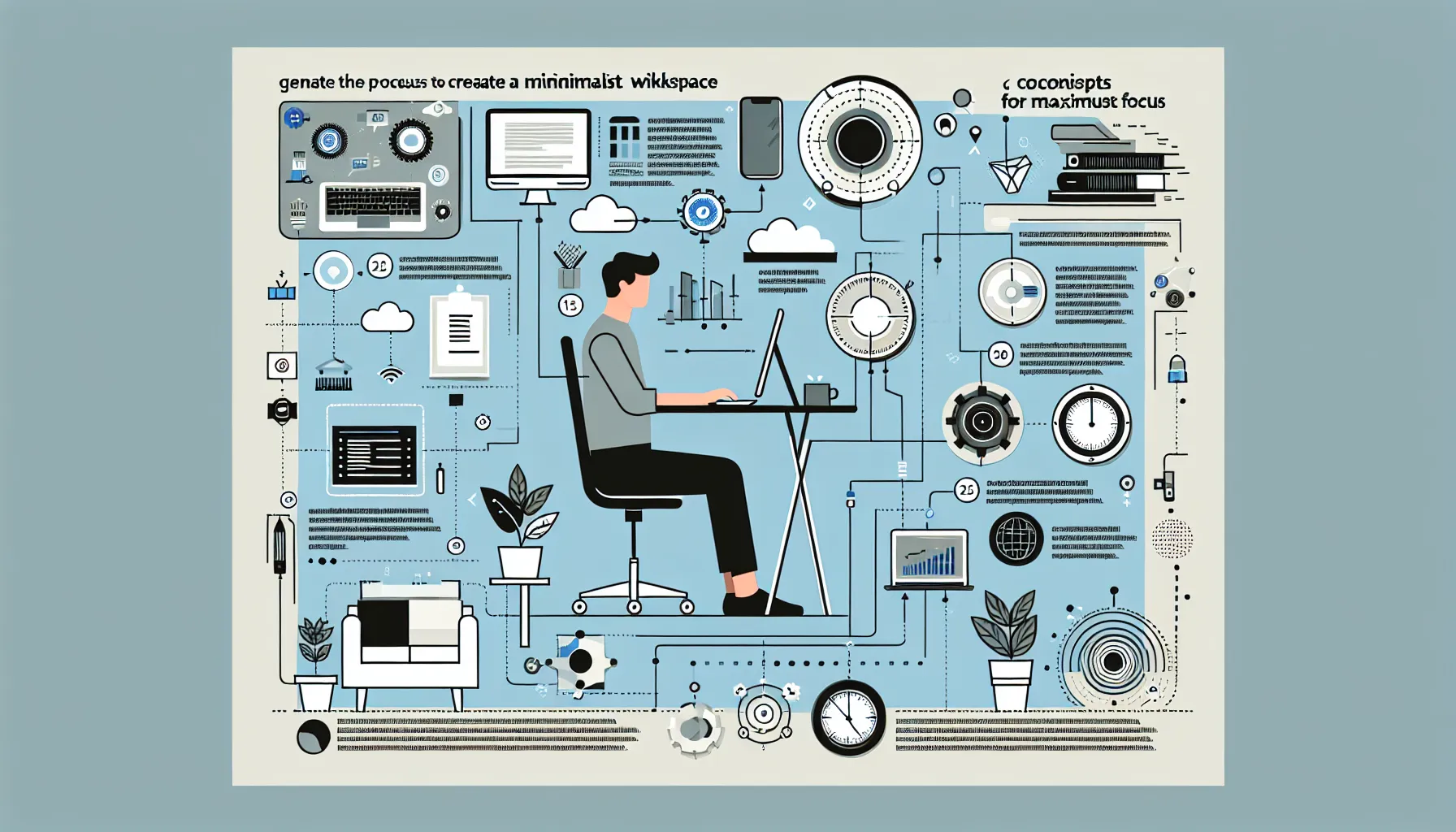
Decluttering Your Workspace
Creating a minimalist workspace is essential for maximizing focus and productivity. One of the fundamental steps in achieving this is decluttering both your physical and digital environments. By streamlining your workspace, you can eliminate distractions and foster an atmosphere conducive to concentration. This section will provide actionable minimalist workspace tips to help you design a workspace that enhances productivity.
Digital Decluttering
In today’s digital age, a cluttered digital environment can be just as distracting as a messy physical desk. Here are some strategies for organizing your digital files effectively:
- Organize Your Files:
- Create a folder structure that makes sense for your projects. Consider using a hierarchy such as:
- Main Project Folder
- Subfolder for Documents
- Subfolder for Images
- Subfolder for Presentations
- Use descriptive file names to make it easier to find documents later. For example, instead of naming a file “Document1,” use a more specific title like “2023_Annual_Report_Draft.”
- Utilize Cloud Storage:
- Services like Google Drive, Dropbox, and OneDrive allow you to access your files from anywhere and make collaboration easier. According to a recent study by Gartner, 75% of businesses now use cloud services for file storage, streamlining access and enhancing collaboration.
- Email Management:
- Unsubscribe from newsletters and mailing lists that no longer serve you. Aim to keep your inbox organized by using folders, labels, or tags to categorize emails.
- Use tools like Unroll.me to help manage subscriptions and declutter your inbox efficiently.
- Limit Digital Distractions:
- Consider using applications like Freedom or Cold Turkey to block distracting websites and apps during work hours. Research from Harvard Business Review indicates that limiting distractions can increase productivity by up to 40%.
- Regular Maintenance:
- Set aside time weekly or monthly for digital decluttering to maintain an organized workspace. This can include deleting old files, archiving completed projects, and reviewing subscriptions.
Using these strategies, you can create a streamlined digital workspace that enhances focus in minimalist spaces.
Physical Decluttering
The physical aspects of your workspace also require careful consideration. Here are steps to minimize physical items on your desk:
- Clear the Surface:
- Start by removing everything from your desk. Only put back what you truly need. A study from The New York Times found that a clean workspace can lead to greater creativity and efficiency.
- Use Storage Solutions:
- Invest in storage solutions such as drawer organizers or desktop trays to keep frequently used items easily accessible without cluttering your workspace. For instance, the IKEA Alex drawer unit is popular for keeping office supplies organized.
- Limit Personal Items:
- While a few personal touches can add warmth to your workspace, too many can become distracting. Aim for a maximum of three personal items, such as a plant, a photo, or a small decorative piece.
- Optimize Cable Management:
- Tidy up cables using cable clips, sleeves, or a cable box. A cluttered mess of cords can be visually distracting and detract from the minimalist aesthetic.
- Regularly Assess Your Needs:
- Periodically evaluate what items you actually use on your desk. If something hasn’t been needed in the past month, consider removing it. A study by Deloitte showed that individuals who regularly reassess their workspace are 30% more likely to report feeling productive.
- Implement a Minimalist Desk Setup:
- For a truly minimalist effect, consider using a standing desk or a simple table with minimal accessories. This approach encourages a clean, open area, which can foster better focus.
By implementing these physical decluttering strategies, you can create an organized workspace for productivity that promotes focus and efficiency.
Conclusion
Decluttering your workspace—both digital and physical—is a vital step toward achieving a minimalist environment that enhances focus and productivity. By utilizing effective organization strategies and maintaining regular upkeep, you can cultivate a workspace that aligns with your productivity goals. Embrace the principles of minimalism, and watch as your ability to concentrate improves significantly. For more insights on creating an effective workspace, consider exploring TechCrunch’s technology section for the latest tools and trends in workspace organization.
Incorporating Technology for Productivity
Creating a minimalist workspace for maximum focus doesn’t stop with decluttering physical items; it extends to integrating technology that enhances productivity. By leveraging smart tools and automation, you can streamline tasks and reduce workload, allowing for greater focus in a minimalist space.
Smart Tools for Minimalism
When designing your workspace, the right technology can significantly impact your productivity. Here are some popular productivity tools that embody minimalist principles while boosting efficiency:
Todoist: A task management app that helps you prioritize your tasks with a simple, clean interface. Todoist allows for project organization and collaboration, making it easier to focus on what matters.
Notion: An all-in-one workspace tool that combines notes, tasks, databases, and calendars. Notion’s flexibility allows users to design their workspace in a minimalist way, catering to individual needs without unnecessary clutter.
Trello: A visual project management tool that uses boards, lists, and cards to help you manage tasks and projects. Trello’s minimalist design helps you visualize your workload and prioritize effectively.
Slack: A communication tool that minimizes email clutter by providing organized channels for team discussions. Slack integrates with numerous other productivity tools, allowing for seamless workflow management.
RescueTime: A time-tracking application that provides insights into how you spend your time on your devices. By identifying distractions, RescueTime can help you adjust your habits to improve focus and productivity.
Recent studies indicate that using task management apps can improve productivity by up to 20% (source: Harvard Business Review). By implementing these smart tools, you can create a minimalist workspace that fosters productivity and focus.
Automation in Workspace
Automation plays a crucial role in reducing workload, which is essential for maintaining a minimalist workspace. By automating repetitive tasks, you can free up time and mental space for more critical work. Here are some ways to incorporate automation into your workflow:
Email Automation: Use tools like Zapier to automate email responses or organize incoming messages into folders. This reduces the time spent managing emails and keeps your inbox clutter-free.
Calendar Scheduling: Tools like Calendly automate the process of scheduling meetings, eliminating back-and-forth emails. By integrating it with your calendar, you can maintain a minimalist schedule without the hassle of manual updates.
Social Media Automation: Platforms like Buffer or Hootsuite allow you to schedule posts across multiple social media channels, saving time and maintaining a consistent online presence without excessive daily management.
Data Backup: Tools such as IFTTT can automate data backups from your devices to cloud storage. This minimizes the risk of data loss while keeping your workspace organized and secure.
Workflow Automation: Notion and Trello offer automation features that allow you to set triggers for tasks. For example, you can automatically move tasks to a “Completed” list once marked, ensuring your workspace remains organized.
According to a report from McKinsey, organizations that implement automation can increase productivity rates by 20-25% (source: McKinsey & Company). By embracing automation, you not only reduce your workload but also enhance your focus, aligning perfectly with minimalist workspace tips.
Conclusion
Incorporating technology into your minimalist workspace can significantly enhance productivity. By using smart tools designed for efficiency and automating repetitive tasks, you create an environment that promotes focus and clarity. As you design your workspace, consider how these technologies can serve you, allowing for a streamlined approach to work that eliminates distractions and fosters productivity.
For more insights on optimizing your workspace for productivity, check out these articles on TechCrunch and Bloomberg. Embrace the power of technology in your minimalist journey and watch your focus and productivity soar.
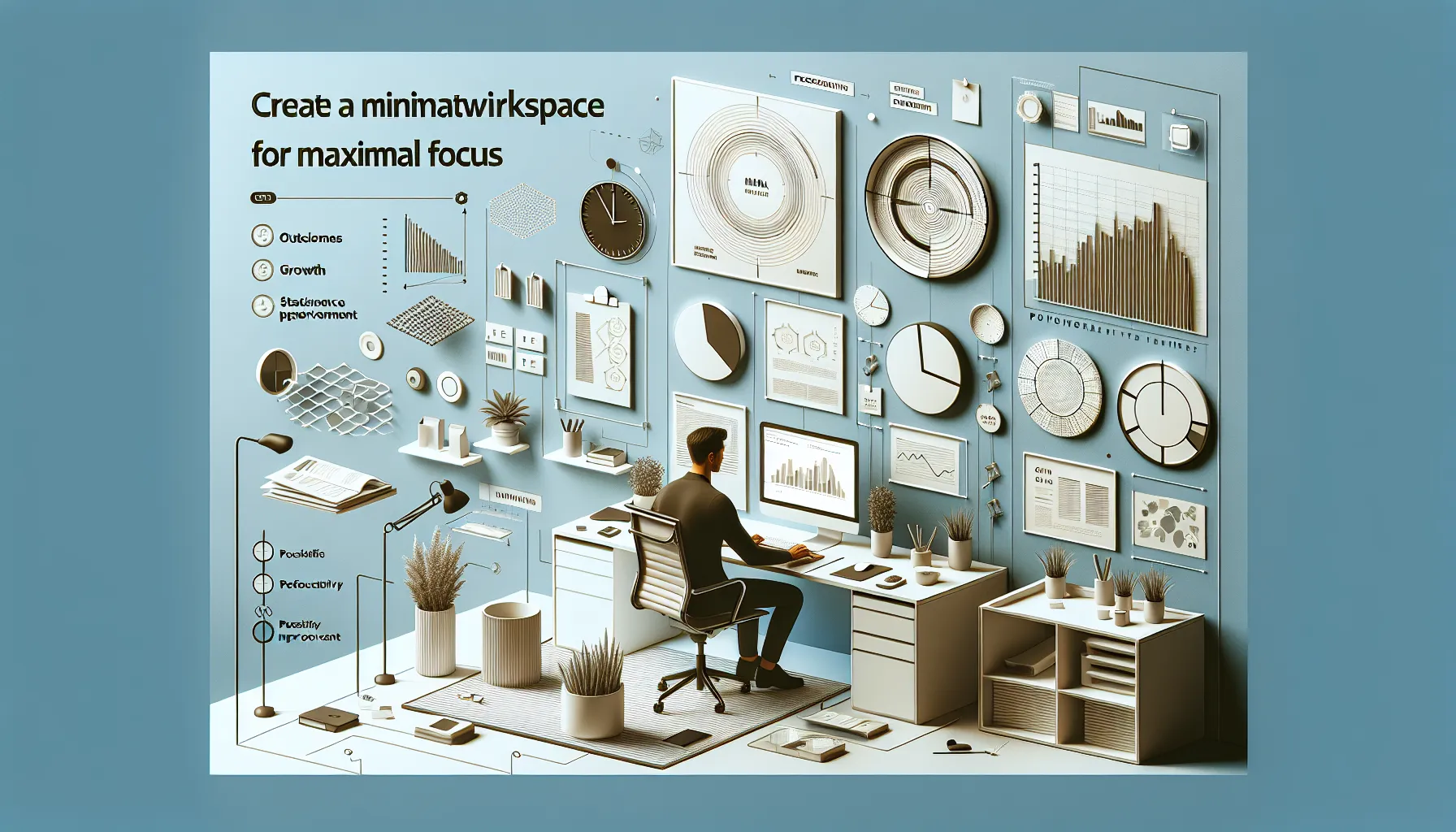
Future Trends in Workspace Design
As the world evolves, so do our approaches to workspace design. The increasing emphasis on sustainability and the adaptation of remote work are two significant trends shaping the future of minimalist workspaces. In this section, we will explore these trends, emphasizing how they can enhance productivity and focus in minimalist spaces.
Sustainable Minimalism
The concept of sustainable minimalism combines the principles of minimalism with environmentally friendly practices. As awareness about climate change and environmental degradation grows, businesses and individuals are seeking ways to create a workspace that not only promotes productivity but also respects the planet.
Rise of Eco-Friendly Materials: There has been a notable shift towards using sustainable materials in workspace design. According to a report by the World Green Building Council, buildings account for nearly 40% of global energy-related carbon dioxide emissions. In response, many organizations are opting for materials like bamboo, reclaimed wood, and recycled metals. These materials not only reduce the carbon footprint but also contribute to a calming aesthetic that aligns with minimalist principles.
Innovative Designs: Companies are increasingly incorporating innovative design elements that promote sustainability. For instance, the use of biophilic design—integrating natural elements into the workspace—has been shown to improve employee well-being and productivity. A study published by the University of Oregon found that exposure to natural elements can lead to a 15% increase in productivity.
Sustainable Practices: Beyond materials, sustainable practices such as energy-efficient lighting and water-saving fixtures are becoming standard in workspace design. Organizations like Google have set benchmarks with their campuses, incorporating solar panels and green roofs, thereby reducing energy consumption and enhancing employee satisfaction.
Remote Work Adaptations
The rise of remote work has necessitated significant adaptations in workspace design. As more individuals work from home or in hybrid environments, the focus has shifted towards creating functional and inspiring minimalist workspaces.
Flexible Design: A flexible workspace is essential for remote workers. This involves creating multi-functional areas that can easily transition from work to relaxation. For example, modular furniture that can be reconfigured allows individuals to adapt their workspace based on their needs, whether for a video call or focused work.
Technology Integration: Incorporating the right technology is vital for a productive remote workspace. High-speed internet, ergonomic furniture, and quality audio-visual equipment facilitate effective communication and collaboration. A recent survey by Buffer indicated that 98% of remote workers want to continue working remotely at least some of the time for the rest of their careers. This highlights the need for a workspace that supports long-term remote work.
Mental Well-being: The design of a workspace for productivity must also consider mental well-being. Research from the American Psychological Association suggests that clutter can negatively impact focus and creativity. Therefore, a minimalist workspace that is organized and free from distractions can significantly improve concentration levels.
Here is a summary of key factors influencing future workspace design:
| Key Factor | Description |
|---|---|
| Eco-Friendly Materials | Use of sustainable materials like bamboo and recycled products |
| Biophilic Design | Incorporating natural elements for improved well-being |
| Flexible Design | Modular furniture that adapts to various needs |
| Technology Integration | High-speed internet and ergonomic setups for effective work |
| Mental Well-being | Organized, distraction-free environments to enhance focus |
For more insights on sustainable design practices, check out the World Green Building Council and Harvard’s research on workspace productivity. Additionally, a recent article from Wired discusses trends in remote work technologies that can enhance your workspace setup.
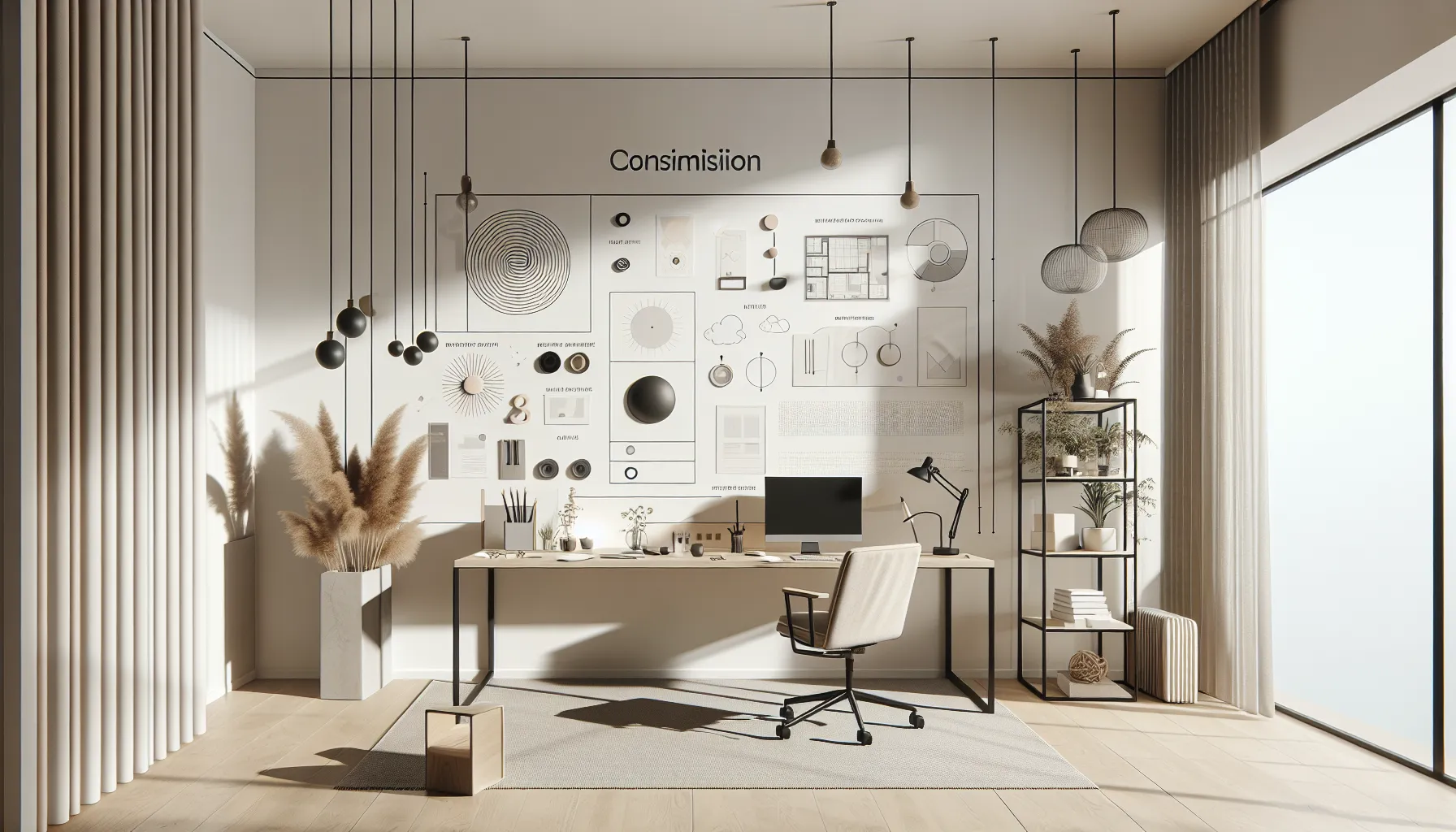
Key Takeaways
In summary, creating a minimalist workspace is not just a design choice; it is a powerful strategy for enhancing focus and productivity. The insights gathered from various sources emphasize the importance of decluttering and optimizing your work environment to foster concentration. Minimalist workspaces, characterized by simplicity and functionality, allow individuals to focus on their tasks without unnecessary distractions.
To build your own minimalist workspace, consider the following actionable steps:
- Evaluate your current workspace and remove items that do not serve a functional purpose.
- Invest in multifunctional furniture that maximizes space while maintaining aesthetic appeal.
- Incorporate natural elements, such as plants, to create a calming atmosphere that promotes well-being.
- Utilize technology to streamline your work processes, opting for digital tools that reduce physical clutter.
- Establish boundaries for your workspace, ensuring that it remains a dedicated area for work to enhance focus.
Currently, as remote work continues to be prevalent, the embrace of minimalist design is becoming more popular in workspace settings. Emerging trends indicate a growing preference for flexible, adaptable work environments that prioritize mental clarity and productivity. Many companies are now looking at how to create spaces that reflect these values, integrating minimalism into their overall design philosophy.
As we look to the future, the focus on minimalism in workspace design is set to expand. According to Forbes’ exploration of workspace trends, companies are increasingly recognizing the link between well-designed environments and employee productivity. Furthermore, the rise of remote and hybrid work models will likely continue to influence workspace designs, pushing for more minimalist approaches that can easily adapt to various settings.
Now is the time to take action and reimagine your workspace. Start with small changes and gradually implement a minimalist design that resonates with your work style. For further insights into creating effective work environments, check out HuffPost’s guide on workspace organization, which offers additional tips and inspiration. Embrace the minimalist movement today and unlock your potential for maximum focus and productivity!
Frequently Asked Questions
What are the benefits of a minimalist workspace?
A minimalist workspace promotes maximum focus and productivity by reducing distractions. With fewer items to divert your attention, it’s easier to concentrate on tasks. Additionally, a clean and uncluttered environment can lead to reduced stress and improved mental clarity. This setup can also enhance creativity by providing a simpler backdrop, allowing your mind to wander freely without overwhelming stimuli. Ultimately, a minimalist workspace encourages efficiency and organization, helping you make the most of your time and energy.
How can I start decluttering my workspace?
To start decluttering your workspace, begin by removing everything from your desk and evaluating each item. Ask yourself if it serves a purpose or brings you joy. Use the “one in, one out” rule: for every new item you bring in, remove one. Organize essential items in designated spots, and consider digital decluttering by organizing files on your computer. Regularly review your workspace to maintain minimalism. Set aside time weekly for quick clean-ups to ensure your workspace remains focused and efficient.
What technologies can help maintain a minimalist workspace?
Technologies like productivity apps and digital note-taking tools can significantly aid in maintaining a minimalist workspace. Tools such as Trello or Asana help organize tasks efficiently, reducing the need for physical notes and reminders. Cloud storage solutions like Google Drive keep your important documents accessible without cluttering your desk. Noise-canceling headphones can enhance focus by minimizing auditory distractions. Additionally, using a single multi-functional device instead of multiple gadgets can simplify your workspace while still meeting your technological needs.
How do I choose furniture for a minimalist workspace?
When choosing furniture for a minimalist workspace, prioritize functionality and simplicity. Look for multi-purpose pieces that serve more than one role, such as a desk with built-in storage. Opt for clean lines and neutral colors to create a calming atmosphere. Ensure the furniture fits your space without overcrowding and allows for easy movement. Ergonomic options can enhance comfort and productivity. Remember, the goal is to create an environment that fosters focus without unnecessary distractions or clutter.
Should I limit decorations in a minimalist workspace?
Yes, limiting decorations in a minimalist workspace is essential for maintaining focus and clarity. Choose a few meaningful items that inspire you or promote relaxation, such as a plant or a piece of art. Avoid overcrowding your space with too many decorative pieces, as this can lead to distraction. The key is to create an environment that feels personal yet uncluttered. A well-chosen decoration can enhance your workspace while still aligning with minimalist principles.
What role does lighting play in a minimalist workspace?
Lighting is crucial in a minimalist workspace as it affects mood, focus, and productivity. Natural light is ideal; it creates an inviting atmosphere and helps regulate your circadian rhythm. If natural light is limited, opt for adjustable LED lights that provide adequate brightness without being harsh. Warm-toned lights can create a cozy environment, while cooler tones may enhance alertness. Proper lighting minimizes eye strain and helps maintain a clean, clear workspace conducive to concentration and creativity.
How can I maintain a minimalist workspace over time?
Maintaining a minimalist workspace requires regular upkeep and intentional habits. Schedule weekly decluttering sessions to remove unnecessary items and keep your space organized. Establish a system for incoming items, ensuring they have a designated place or are discarded if not needed. Regularly reassess your workspace to ensure it still aligns with your minimalist goals. Adopt a mindset of simplicity; ask yourself if an item truly serves you before bringing new things into your workspace.
Can a minimalist workspace improve my mental health?
Yes, a minimalist workspace can significantly improve your mental health. An uncluttered environment reduces feelings of overwhelm and anxiety, allowing for clearer thinking and greater focus. The simplicity of a minimalist setup fosters a sense of order and control, which can enhance your overall well-being. Moreover, a clean workspace encourages mindfulness and can lead to increased productivity, which contributes to a positive mental state. By creating a space that supports your needs, you promote a healthier, more balanced work life.