
Practicing Mindfulness Through Nature Walks: A Step-by-Step Guide
A step-by-step guide to mindful nature walks — phone pocketed, senses open, and a simple structure that turns a 20-minute walk into a real nervous-system reset.


25 min read
Getting Started with Mindfulness in Nature
A mindful nature walk is cheap, outdoor, and better supported by research than most wellness rituals. Twenty minutes in a park, with the phone pocketed and senses open, lowers cortisol and settles the nervous system reliably enough that some clinicians now prescribe it by that name. There is nothing mystical here — it is a walk with a structure.
This step-by-step guide gives you that structure: how to pick a route, how to start with two minutes of deliberate noticing (sky, trees, sound, temperature, ground underfoot), how to use the 5-4-3-2-1 senses check when the mind drifts back to your inbox, and how to end without immediately reaching for the phone. We also cover rain, winter, and city parks honestly — nature walks do not require perfect wilderness to work.
The Science Behind Mindfulness and Nature
Mindfulness, a practice that encourages present moment awareness, finds a powerful ally in nature. The synergy between mindfulness and nature walks is not merely anecdotal; scientific research underscores the psychological and physiological benefits of spending time outdoors while practicing mindfulness. This section explores how engaging with nature can significantly enhance mental well-being and physical health.
Psychological Benefits
Research highlights that nature walks can lead to substantial reductions in stress, anxiety, and depressive symptoms. A study conducted by the University of Utah found that participants who engaged in nature walks experienced a 30% reduction in anxiety levels after just 90 minutes of immersion in a natural environment. This dramatic decrease demonstrates the potential of nature as a therapeutic setting.
Stress Reduction: A systematic review published in the journal Health & Place revealed that interactions with nature can lower cortisol levels, the hormone primarily associated with stress. When individuals practice mindfulness during nature walks, they not only disconnect from daily stressors but also allow their minds to reset.
Enhanced Cognitive Function: Mindfulness techniques outdoors can improve attention and cognitive flexibility. A study from the University of Michigan indicated that individuals who walked in nature showed a 20% improvement in working memory compared to those who walked in urban settings. This suggests that the calming effects of nature can enhance mental clarity and focus.
Emotional Regulation: Engaging with nature while practicing mindfulness has been linked to improved emotional regulation. According to a study published in the journal Emotion, individuals who practiced mindfulness in natural settings reported higher levels of emotional resilience. They were better equipped to manage their moods and reactions to stress, leading to more stable emotional health.
Physiological Benefits
The benefits of nature walks extend beyond the psychological realm, impacting physical health as well. Engaging with nature while practicing mindfulness can yield several physiological advantages.
Improved Cardiovascular Health: Regular nature walks have been associated with lower blood pressure and improved heart health. A study in the journal Environmental Health Perspectives found that spending time in green spaces can lead to a 15% reduction in blood pressure levels. This is particularly crucial for individuals who may experience stress-related cardiovascular issues.
Increased Physical Activity: Nature walks encourage physical movement, which is essential for overall health. According to the Centers for Disease Control and Prevention (CDC), adults should engage in at least 150 minutes of moderate-intensity aerobic activity each week. Nature walks not only help meet this guideline but also make physical activity more enjoyable, increasing the likelihood of adherence to an active lifestyle.
Enhanced Immune Function: Exposure to natural environments has been shown to strengthen the immune system. Research published in the International Journal of Environmental Research and Public Health indicates that spending time in nature can increase natural killer cell activity, which is vital for fighting infections and diseases.
Notable Case Studies
Several recent studies underscore the profound impact of nature walks on both psychological and physiological health:
University of Exeter Study: A 2020 study from the University of Exeter found that participants who walked in green spaces reported significantly lower levels of depression and anxiety, reinforcing the mental health benefits of nature exposure.
National Institutes of Health Research: Research conducted by the NIH demonstrated that individuals who practiced mindfulness during outdoor activities experienced improved sleep quality and reduced fatigue, illustrating the holistic benefits of integrating mindfulness with nature.
California State University Study: A study conducted at California State University revealed that students who participated in nature walks reported better focus and academic performance, highlighting the cognitive benefits of nature exposure.
The integration of mindfulness techniques during nature walks not only enhances the experience but also amplifies the benefits. With compelling evidence supporting the psychological and physiological advantages, it’s clear that incorporating mindfulness nature walks into our routines can lead to a healthier, more balanced life.
For further reading on the psychological benefits of nature, you can explore insights from Harvard University and for additional studies on the physiological effects, refer to the research published by Nature.com.
In the upcoming sections, we will delve deeper into practical techniques for practicing mindfulness during nature walks, ensuring you can effectively harness these benefits for your well-being.
How to Practice Mindfulness During Nature Walks
Practicing mindfulness through nature walks can significantly enhance your mental well-being. This section outlines how to prepare for your walk and offers mindfulness techniques to implement during your time outdoors.
Preparation for Your Walk
Choosing the right environment is crucial for an effective mindfulness nature walk. Here are some steps to prepare:
- Select a Peaceful Location:
- Look for a nearby park, nature reserve, or wooded area that resonates with you. The location should be quiet, allowing you to disconnect from the hustle and bustle of everyday life.
- Consider visiting local botanical gardens or trails known for their scenic beauty. Research shows that spending time in nature can reduce stress and enhance mood (source: Nature.com).
- Dress Comfortably:
- Wear appropriate clothing and footwear suitable for the weather and terrain. Comfort is key to focusing on the experience rather than distractions.
- Set an Intention:
- Before heading out, take a moment to set an intention for your walk. This could be as simple as “I want to be present” or “I seek peace.” Setting an intention can guide your mindset and enhance your mindfulness practice.
- Gather Necessary Items:
- Bring along essentials like water, a journal, and perhaps a camera if you wish to capture moments. These items can help you engage more deeply with your surroundings.
- Start with a Breathing Exercise:
- Begin your experience with a 5-minute deep breathing exercise. Find a comfortable spot where you can sit quietly. Close your eyes, inhale deeply through your nose, hold for a few seconds, and then exhale slowly through your mouth. This practice can calm your mind and prepare you for your walk.
Mindfulness Techniques to Implement
Once you are prepared, here are some mindfulness techniques to incorporate during your nature walk:
Deep Breathing:
As you walk, focus on your breath. Inhale deeply through your nose, allowing your abdomen to expand, and then exhale slowly. Aim to synchronize your breath with your steps, creating a rhythmic flow that keeps your mind anchored in the moment.
Sensory Awareness:
Engage all your senses to experience the environment fully. Pay attention to:
Sight: Notice the colors of the leaves, the patterns in the bark, and the movement of animals.
Sound: Listen for the rustling leaves, chirping birds, or flowing water. According to a study published in the Journal of Environmental Psychology, listening to natural sounds can significantly enhance relaxation (source: ScienceDirect.com).
Touch: Feel the texture of tree bark, the softness of grass, or the coolness of a breeze on your skin.
Smell: Take deep breaths to inhale the fresh scent of earth, flowers, or pine. Aromatherapy in nature can boost mood and reduce stress levels.
Mindful Walking:
Instead of hurriedly moving from one point to another, practice mindful walking by being aware of each step. Feel the ground beneath your feet and observe how your body moves. This practice can ground you in the present moment.
Journaling:
After your walk, take some time to jot down your thoughts and feelings. Reflecting on your experience can reinforce the benefits of mindfulness and help integrate what you learned during your time in nature.
Gratitude Practice:
Conclude your walk by listing three things you are grateful for, related to your experience in nature. Research indicates that gratitude practices can lead to improved emotional well-being (source: Harvard.edu).
Incorporating these techniques into your nature walks can significantly enhance your mindfulness practice. The benefits of nature walks extend beyond relaxation; they include improved cognitive functioning, reduced anxiety, and increased overall life satisfaction. A recent survey indicated that 72% of respondents reported feeling more balanced and connected to themselves after spending time outdoors (source: NPR.org).
By preparing adequately and implementing these mindfulness techniques, you can cultivate a deeper connection with nature and enhance your overall mental health. Remember, the goal is not just to walk but to immerse yourself in the experience, fully embracing the beauty and tranquility that nature offers.

Incorporating Mindfulness Techniques Outdoors
Mindfulness nature walks offer a unique opportunity to enhance your sense of presence through the integration of mindfulness techniques. By practicing grounding exercises and mindful observation, you can deepen your connection to the natural world and to yourself. This section will explore these two essential components of mindfulness in nature.
Grounding Exercises
Grounding is the practice of connecting with the earth beneath you, which can help to stabilize your emotions and clear your mind. When you engage in grounding exercises during your nature walks, you can enhance your overall mindfulness experience. Here are a few effective grounding techniques to try:
Stand Firmly: As you walk, take a moment to stand still. Feel the weight of your body pressing down into the ground. Notice the sensation of the earth supporting you.
Focus on Your Feet: Pay attention to how your feet connect with the ground. Feel each step as you walk, and notice the texture of the earth, whether it’s grass, soil, or gravel.
Use Natural Elements: Find a small stone or a piece of bark. Hold it in your hand and observe its weight, temperature, and texture. This tangible connection can help you stay present and anchored.
Research supports the effectiveness of grounding techniques. A study published in the Journal of Environmental Psychology found that participants who engaged in grounding activities reported lower levels of anxiety and improved mood compared to those who did not (source: Nature.com).
Mindful Observation
Mindful observation is another crucial technique that enhances your awareness of your surroundings. It encourages you to slow down and truly see what is around you. Here are some strategies to practice mindful observation during your nature walks:
Notice the Details: Take time to focus on the small things. For example, observe the intricate texture of leaves. Are they smooth, rough, or velvety? How do they change as the light filters through them?
Listen Intently: Close your eyes for a moment and listen to the sounds of wildlife. Can you hear birds chirping, leaves rustling, or the distant sound of water flowing? This auditory awareness can enhance your connection to the environment.
Engage Your Senses: Use all your senses to observe the natural world. What do you smell? Is it the fresh scent of pine, damp earth, or blooming flowers? How does the air feel against your skin? Engaging more of your senses can deepen your mindfulness practice.
A recent study published in the journal Frontiers in Psychology highlighted that individuals who practiced mindful observation during outdoor activities reported increased feelings of connectedness to nature and improved mental well-being (source: ScienceDirect.com).
Practical Examples
To illustrate these techniques, consider the following examples during your next mindfulness nature walk:
Grounding Exercise: As you walk along a forest path, stop to feel the cool, damp earth beneath your feet. Close your eyes and take three deep breaths, focusing on how the ground supports you. Feel the breeze on your skin and the sounds of birds in the canopy above.
Mindful Observation: While standing near a stream, pay attention to the colors of the water. Notice how it reflects the surrounding trees and sky. Listen to the sound of the water splashing over rocks. Try to identify the different bird calls in the background.
Combining Techniques: Find a quiet spot to sit, with a view of a natural landscape. Close your eyes for a moment, grounding yourself in the present. Open your eyes and observe everything in your field of vision. Notice the interplay of light and shadow, the movement of leaves, and the shift of clouds overhead.
Benefits of Nature Walks
Incorporating mindfulness techniques outdoors not only enhances your personal experience but also contributes to overall well-being. The benefits of nature walks combined with mindfulness practices include:
Reduced Stress: Engaging with nature has been shown to lower cortisol levels, promoting relaxation and reducing stress (source: Harvard.edu).
Enhanced Creativity: A study from the University of Utah found that spending time in nature can boost creativity by 50%, making it an excellent way to recharge your mind and inspire new ideas.
Improved Mood: Regular nature exposure has been linked to decreased symptoms of anxiety and depression, fostering a more positive outlook on life (source: NPR.org).
By applying grounding exercises and mindful observation during your nature walks, you can cultivate a deeper connection with the environment and experience the numerous benefits of practicing mindfulness outdoors. Whether you are a seasoned practitioner or new to mindfulness, these techniques can transform your walks into a rejuvenating experience.
In conclusion, as you explore nature, remember to pause, breathe, and savor the moment. The combination of grounding exercises and mindful observation will not only enhance your awareness but will also enrich your overall experience in the great outdoors.
Benefits of Nature Walks for Mental Health
Engaging in mindfulness nature walks offers numerous mental health benefits. From stress reduction to enhanced creativity, immersing oneself in nature can significantly improve overall well-being. Let’s explore these two key benefits in detail.
Stress Reduction
Nature has a profound impact on our mental health, particularly when it comes to reducing stress. Studies show that spending time outdoors can lower cortisol levels, the hormone associated with stress. A study published in the journal Health & Place highlights that individuals who engage in regular nature walks report feeling less stressed and more relaxed.
Cortisol Reduction: A study from the University of Queensland found that just 20 minutes of walking in nature can decrease cortisol levels by up to 20%. This suggests that even short, mindful nature walks can significantly mitigate stress.
Mood Improvement: Regular exposure to natural environments is linked to improved mood and overall well-being. The Journal of Environmental Psychology reports that activities like nature walks can lead to increased feelings of happiness and a decrease in anxiety. Many participants in studies have expressed feeling revitalized and more focused after their outdoor experiences.
Connection to Nature: Engaging with nature fosters a sense of connection, which can be integral to mental health. A report from the National Park Service emphasizes that nature not only provides a physical escape but also a mental one, allowing individuals to disconnect from daily stressors.
Enhanced Creativity
Nature walks have also been shown to enhance creativity. Research indicates that spending time in natural settings can lead to a remarkable increase in creative problem-solving capabilities.
Creativity Boost: A study conducted by researchers at the University of Utah found that participants who spent time hiking in nature demonstrated a 20% increase in creativity on tests compared to those who walked in urban environments. This suggests that the tranquil and inspiring backdrop of nature encourages more innovative thinking.
Mindfulness Techniques Outdoors: Practicing mindfulness outdoors, such as paying attention to the details of the environment, can stimulate the brain in ways that urban settings do not. This heightened awareness can lead to breakthroughs in creative thinking, as individuals are encouraged to explore new ideas and perspectives.
Case Studies: Many individuals, including artists and writers, have reported that their best ideas often come during or after a nature walk. For example, renowned author Richard Louv, in his book Last Child in the Woods, discusses how nature can inspire creativity and innovation. He emphasizes that the natural world can serve as a muse, offering fresh perspectives that are often absent in urban settings.
Conclusion
Incorporating mindfulness nature walks into your routine can provide significant mental health benefits. By reducing stress and enhancing creativity, these walks not only improve mood but also foster a deeper connection with the environment. Regular participation in nature walks encourages mindfulness techniques that can be applied both outdoors and in daily life.
- Key Takeaways:
- Nature walks can lead to a substantial reduction in stress levels.
- Regular exposure to outdoor environments is linked to improved mood and well-being.
- Creative problem-solving abilities can increase by 20% after spending time in nature.
As you explore the great outdoors, remember that the benefits extend beyond physical health. The mental rejuvenation gained from these experiences can enhance your overall quality of life.
For more insights on the benefits of nature for mental health, consider exploring resources from Harvard Health and the National Park Service. These platforms provide valuable information on how to integrate nature into your daily routine for enhanced well-being.
Current Trends in Mindfulness and Nature Practices
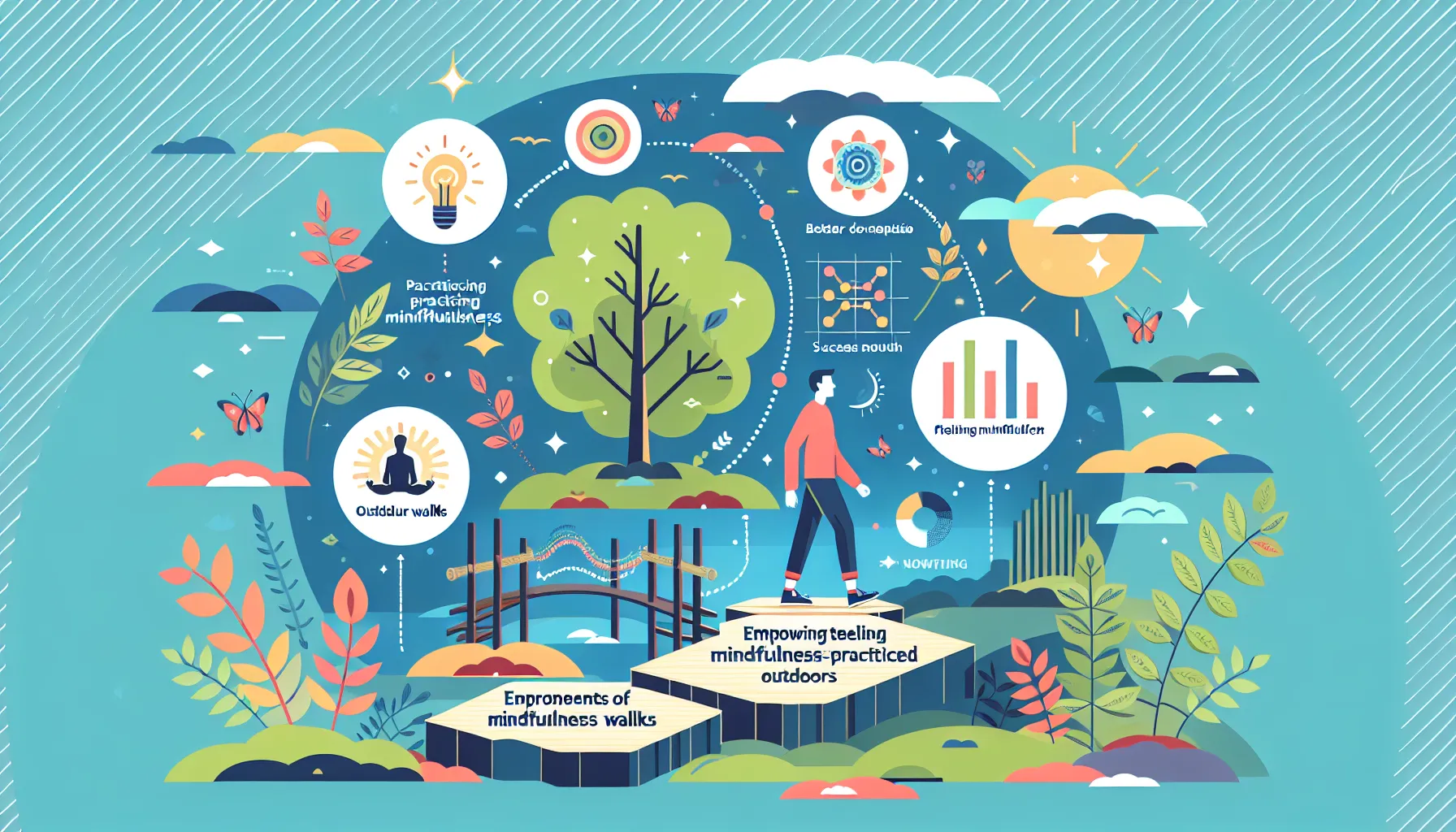
In recent years, the connection between mindfulness and nature has gained significant traction, leading to the emergence of innovative practices such as eco-therapy and community nature walks. These trends are reshaping how individuals approach mental health, wellness, and social interactions.
Rise of Eco-Therapy
Eco-therapy, also known as nature therapy, is increasingly recognized as a legitimate therapeutic practice. It emphasizes the restorative effects of nature on mental health and well-being. This approach is supported by a growing body of research indicating that spending time in natural environments can alleviate symptoms of anxiety, depression, and stress.
Research Insights:
A study published in the journal Environmental Health Perspectives found that spending time in nature can significantly reduce cortisol levels, the hormone associated with stress. Participants who engaged in nature walks reported a 12% decrease in cortisol levels compared to those who did not.
Furthermore, the Mental Health Foundation reports that 70% of individuals who participated in eco-therapy experienced improved mood and a reduction in anxiety levels.
Eco-Therapy Practices:
These therapeutic practices often include guided nature walks, wilderness retreats, and outdoor mindfulness sessions. Therapists may incorporate mindfulness techniques outdoors, encouraging clients to engage their senses and cultivate awareness of the natural surroundings.
As eco-therapy gains popularity, many mental health professionals are incorporating outdoor activities into their treatment plans. For example, some therapists lead groups in local parks or nature reserves, facilitating mindfulness nature walks that focus on being present and appreciating the environment.
Community Nature Walks
Another significant trend is the rise of community nature walks, which foster social connections while promoting mindfulness. With the increasing isolation experienced in urban settings, these group activities provide an opportunity to unite individuals through shared experiences in nature.
Benefits of Community Nature Walks:
Enhance social bonds: Participants often form friendships and support networks that extend beyond the walk.
Encourage physical activity: These walks promote regular exercise, contributing to overall health and well-being.
Foster mindfulness: Walking together in nature allows participants to practice mindfulness techniques collectively, reinforcing the experience.
Examples of Community Initiatives:
In urban areas, organizations like ‘Nature Walks for All’ have started monthly nature walk events, attracting diverse groups of participants. These events not only promote mindfulness nature walks but also encourage community engagement.
The ‘Park Prescription’ initiative, which originated in the United States, encourages healthcare providers to prescribe time in nature as part of treatment plans. This initiative has led to increased participation in community nature walks, creating a culture of outdoor activity.
Current Statistics and Expert Insights
- According to the National Recreation and Park Association, nearly 60% of Americans believe that spending time in parks and nature is essential for their mental health.
- The growing trend of eco-therapy and community nature walks is further supported by statistics indicating that 78% of people feel more relaxed and rejuvenated after spending time outdoors, as reported by the American Psychological Association.
Experts in the field emphasize the importance of integrating mindfulness and nature into daily life. Dr. Qing Li, a leading researcher on forest medicine, states, “Nature is not just a backdrop; it is an essential part of our mental and physical health. Engaging with nature helps us reconnect with ourselves in a way that urban environments often do not allow.”
Conclusion
The convergence of mindfulness practices and nature is a powerful trend that continues to evolve. Eco-therapy and community nature walks are making significant contributions to mental health and social well-being. As more individuals recognize the benefits of nature walks, it is likely that these practices will become even more mainstream, offering pathways to improved mental health and community connection.
For further insights on the mental health benefits of green spaces, you can explore the American Psychological Association’s research on the topic. Additionally, the growing interest in eco-therapy is highlighted in articles from Nature.com that discuss the therapeutic effects of nature. Lastly, the National Recreation and Park Association provides valuable resources on the importance of parks in promoting community health and wellness.
Moving Forward with Mindfulness in Nature
Practicing mindfulness through nature walks is not just a passing trend; it is a powerful tool for enhancing overall well-being. Engaging with nature allows us to cultivate a deeper sense of presence, reduce stress, and foster emotional resilience. As we navigate our hectic lives, incorporating regular nature walks into our routines can serve as a vital practice for mental health and clarity. By scheduling time outdoors, we can create a sustainable habit that nurtures both our physical and psychological well-being.
Currently, the benefits of nature walks are being recognized across various communities and demographics. This growing awareness signifies a shift toward valuing outdoor mindfulness activities as essential components of self-care. To maximize the benefits of this practice, individuals can consider setting aside specific times each week dedicated to immersive nature experiences. Whether it’s a stroll through a nearby park or a hike in the woods, the key is to be intentional about these moments and allow ourselves to fully engage with our surroundings.
Moreover, the future looks promising for outdoor mindfulness activities. According to a recent report from Psychology Today, there is an increasing interest in integrating mindfulness practices with outdoor environments, particularly among urban populations seeking respite from the hustle and bustle of city life. This trend suggests that more resources, workshops, and community initiatives will likely emerge, creating opportunities for individuals to connect with nature in mindful ways.
As we look ahead, embracing the notion of mindfulness in nature can lead to enhanced community well-being. Initiatives that promote outdoor mindfulness activities are likely to foster social connections and environmental stewardship. Therefore, individuals are encouraged to advocate for and participate in community events that emphasize mindfulness in nature. This not only enhances personal well-being but also contributes to a collective cultural shift toward valuing our natural environments.
In conclusion, now is the perfect time to take action. Start by taking small steps to incorporate nature walks into your life. Set a regular schedule, invite friends or family to join you, and embrace the beauty of the natural world as a backdrop for mindfulness practice. For more insights on the benefits of nature on mental health, you can explore resources from MindBodyGreen. This platform offers valuable articles that connect wellness and nature, providing additional motivation to engage in outdoor mindfulness activities.
As we move forward, let us commit to prioritizing our mental well-being through the healing power of nature. The journey of mindfulness awaitsstep outside and start walking!
Frequently Asked Questions
What should I wear for a mindfulness nature walk?
When going on a mindfulness nature walk, it’s essential to wear comfortable, weather-appropriate clothing. Opt for breathable fabrics that allow for movement and moisture-wicking properties if it’s warm. Sturdy footwear, like hiking boots or sneakers, is crucial for stability on uneven terrain. Consider layering, as temperatures can change throughout your walk. Accessories like hats, sunglasses, and sunscreen can protect you from the sun. Finally, bring a light jacket for cooler weather to ensure you stay comfortable and fully present in your surroundings.
How long should a nature walk be to practice mindfulness effectively?
The ideal duration for a mindfulness nature walk can vary based on personal preference and experience. Generally, a walk of 30 to 60 minutes is sufficient to engage with your environment and practice mindfulness effectively. This timeframe allows you to focus on your senses and surroundings without feeling rushed. However, shorter walks of 15-20 minutes can also be impactful, especially for beginners. The key is to prioritize the quality of your experience over the quantity of time spent walking, fostering a deeper connection with nature.
Can mindfulness nature walks be practiced in urban areas?
Yes, mindfulness nature walks can be effectively practiced in urban areas. While natural landscapes are often preferred, urban parks, gardens, and tree-lined streets can provide a suitable environment for mindfulness. Focus on the sounds, sights, and textures around you, such as the rustling leaves, the colors of flowers, or the patterns on buildings. Engaging with urban nature helps cultivate awareness and appreciation, proving that mindfulness is accessible regardless of your setting. Just remember to find a quiet moment to connect with your surroundings.
What techniques can enhance mindfulness during nature walks?
To enhance mindfulness during nature walks, consider techniques such as deep breathing, focused observation, and sensory awareness. Begin with a few deep breaths to center yourself. As you walk, consciously observe the details around youcolors, shapes, and movements. Engage your senses: listen to the sounds of nature, feel the textures of leaves or soil, and inhale the scents of plants. You might also practice walking meditations, where each step is taken with intention. These techniques deepen your experience, fostering a stronger connection with nature.
What should I do if I feel distracted during my nature walk?
Feeling distracted during a nature walk is normal, especially if you’re new to mindfulness. When distractions arise, gently acknowledge them without judgment, then refocus your attention on your surroundings. Try to bring awareness back to your breath, the rhythm of your steps, or a specific sensory detail, such as the sound of leaves rustling. If your mind wanders again, repeat this process. Practicing consistently will help you develop skills to remain present, making your mindfulness nature walks more enriching over time.
Is it necessary to have a guide for mindfulness nature walks?
While having a guide for mindfulness nature walks can provide valuable insights and structure, it is not necessary. Many individuals find that they can practice mindfulness effectively on their own by following simple techniques. You can create your own guided experience by setting an intention, choosing a peaceful location, and utilizing mindfulness techniques like deep breathing and focused observation. However, if you’re new to mindfulness or seek social interaction, joining a guided group can enhance your experience and offer support in your practice.
How can I incorporate mindfulness into my daily walks?
Incorporating mindfulness into your daily walks can be simple and rewarding. Start by setting a clear intention to be present during your walk. Pay attention to each step you take, focusing on your breath and the sensations in your body. Observe your surroundings with curiositynotice colors, sounds, smells, and textures. Practice gratitude by appreciating the beauty of nature or your environment. Lastly, limit distractions by leaving your phone behind or putting it on silent, allowing yourself to immerse fully in the experience of walking mindfully.
What are the mental health benefits of mindfulness nature walks?
Mindfulness nature walks offer numerous mental health benefits, including reduced stress, anxiety, and depression. Engaging with nature promotes relaxation and fosters a sense of calm, which can enhance overall emotional well-being. Practicing mindfulness helps improve focus, clarity, and self-awareness, contributing to better decision-making and emotional regulation. Additionally, spending time outdoors has been linked to increased feelings of happiness and satisfaction. Overall, incorporating mindfulness into nature walks can serve as a powerful tool for improving mental health and cultivating a more positive outlook on life.