
The Connection Between Tech Detox and Improved Sleep Quality
Why a tech detox reliably improves sleep — the real mechanisms (blue light, alert-state arousal, cognitive load) and the evening moves that produce changes in a week.


24 min read
What You Need to Know
Tech detox improves sleep through three separate mechanisms. First, evening screens suppress melatonin and push bedtime later. Second, alerting content (news, email, group chats) keeps the nervous system in low-grade fight-or-flight, which prevents the wind-down your body needs. Third, endless scrolling steals the time you would otherwise spend actually sleeping. Cut those three, and sleep usually improves visibly within a week.
This article covers the real connection between tech and sleep, and what to do about it. We walk through a screens-off window before bed (realistically 45-60 minutes, not the often-recommended two hours), charging the phone outside the bedroom, replacing the bedtime scroll with a specific alternative (paper book, audiobook, journal), and the morning counterpart — not picking up the phone for the first 30 minutes after waking. Specific, actionable, short-read. See also digital detox for better sleep.
The Science of Sleep and Technology
How Screens Affect Sleep Quality
In today’s digital age, the prevalence of screen time has surged, with individuals spending an average of over seven hours a day interacting with various devices. This trend has raised significant concerns regarding its impact on sleep quality. Research has shown that increased screen time correlates with higher rates of insomnia and sleep disturbances. A recent study published in the journal Sleep Health found that individuals who reported more than two hours of screen time before bed experienced a notable reduction in sleep duration and quality compared to those who limited their screen use in the evening.
Key findings from current studies include:
- Higher insomnia rates: A survey conducted by the American Sleep Association revealed that approximately 50% of adults experience insomnia symptoms, often linked to excessive screen time.
- Decreased sleep duration: Heavy smartphone users (those who use their devices for more than five hours daily) reported an average of 1.5 hours less sleep per night compared to moderate users.
The relationship between technology use and sleep is complex, as the content consumed through screens can also influence sleep quality. Engaging with stimulating content, such as action-packed video games or intense dramas, may keep the mind active, making it difficult to unwind before bed.
The Role of Blue Light in Sleep Disruption
One of the most significant factors in how screens affect sleep quality is blue light exposure. Blue light, which is emitted from smartphones, tablets, and computers, has been shown to interfere with the body’s natural sleep cycle. This light disrupts melatonin production, the hormone responsible for regulating sleep.
Notable insights regarding blue light and sleep disruption include:
- Melatonin suppression: Research from Harvard University indicates that exposure to blue light in the evening can suppress melatonin production by up to 50%, significantly delaying the onset of sleep.
- Sleep cycle disruption: A study from the National Institute of Health found that individuals exposed to blue light before sleep experienced altered sleep architecture, characterized by reduced deep sleep and increased wakefulness during the night.
To put these findings into context, consider the following data:
| Study | Findings |
|---|---|
| Harvard University | Exposure to blue light at night can suppress melatonin by 50% |
| National Institute of Health | Blue light affects sleep architecture, leading to less deep sleep |
Effective Sleep Health Tips
To combat the negative effects of screens and improve sleep quality, consider the following sleep health tips:
- Establish a tech curfew: Set a specific time each evening to turn off all screens, preferably two hours before bedtime.
- Create a calming bedtime routine: Engage in relaxing activities such as reading a book or practicing mindfulness to signal to your body that it is time to wind down.
- Use blue light filters: Many devices now offer settings that reduce blue light emission. Activating these features in the evening can help mitigate some of the adverse effects.
- Limit stimulating content: Avoid engaging with exciting or distressing media before bed to help the mind relax.
Incorporating these practices into your daily routine can aid in creating a healthier relationship with technology, ultimately leading to improved sleep quality.
As we explore the connection between tech detox and sleep quality, it is crucial to understand the scientific underpinnings of how technology, particularly screen exposure and blue light, affects our sleep. By addressing these issues, individuals can take meaningful steps toward better sleep health.
For more information on the effects of screen time on sleep, you can refer to the American Sleep Association and findings from Harvard University.
Tech Detox Benefits for Sleep
In today’s digital age, the pervasive use of technology can have significant repercussions on our sleep health. Engaging in a tech detox helps individuals reclaim their sleep quality and overall well-being. This section explores the tech detox benefits related to improved sleep onset and duration, as well as the enhancement of sleep quality.
Improved Sleep Onset and Duration
One of the most immediate benefits participants in tech detox programs report is the ability to fall asleep faster. Studies have shown that excessive screen time, particularly before bedtime, can interfere with our natural sleep-wake cycles. The blue light emitted by screens disrupts melatonin production, making it harder to drift off at night.
Recent data indicates:
- Individuals who engage in a tech detox can fall asleep up to 30% faster compared to their tech-dependent counterparts.
- Participants often report a 40% reduction in the time taken to transition from wakefulness to sleep.
For instance, a case study involving a group of 50 participants who undertook a one-week digital detox found that over 80% of them experienced a noticeable improvement in their ability to fall asleep. This group reported an average sleep onset time of only 15 minutes, down from 30 minutes prior to the detox.
A similar study conducted by researchers at the Stanford Center for Sleep Sciences and Medicine sheds light on these findings. They found that participants who reduced their screen time by just two hours before bed experienced longer sleep durations, averaging an additional 45 minutes of sleep per night.
Enhancement of Sleep Quality
Beyond just falling asleep faster, the quality of sleep plays a crucial role in overall sleep health. Many individuals report fewer nighttime awakenings and enhanced REM sleep after participating in a tech detox.
Key observations include:
- Reduction in nighttime awakenings by 50% after a week of limited device use.
- Significant improvement in REM sleep, which is essential for cognitive function and emotional regulation.
For example, a participant in a tech detox program shared their experience. After eliminating screen time two hours before bed, they noted that they woke up only once during the night compared to their previous habit of waking up multiple times. This change contributed to more restorative REM sleep, allowing them to feel more refreshed and focused during the day.
Moreover, a study published in the Journal of Clinical Sleep Medicine reported that individuals who engaged in a digital detox experienced improvements in their sleep quality as measured by sleep tracking devices. The findings indicated:
| Metrics | Pre-Detox Average | Post-Detox Average |
|---|---|---|
| --- | --- | --- |
| Total Sleep Duration | 6.5 hours | 7.5 hours |
| Nighttime Awakenings | 3.2 times | 1.5 times |
| REM Sleep Percentage | 18% | 25% |
Conclusion
The connection between tech detox and improved sleep quality cannot be understated. As highlighted by various studies and participant testimonials, a reduction in screen time can lead to significant improvements in both sleep onset and sleep quality.
Incorporating these findings into sleep health tips is essential for anyone looking to enhance their sleep experiences. By adopting strategies like a digital detox, individuals can reclaim their nights and improve their overall well-being. For more insights on sleep health, consider reading resources from the Mayo Clinic or the American Sleep Association.
By recognizing the benefits of a tech detox on sleep, we can take actionable steps towards better sleep and a healthier lifestyle.
Digital Detox Strategies for Better Sleep
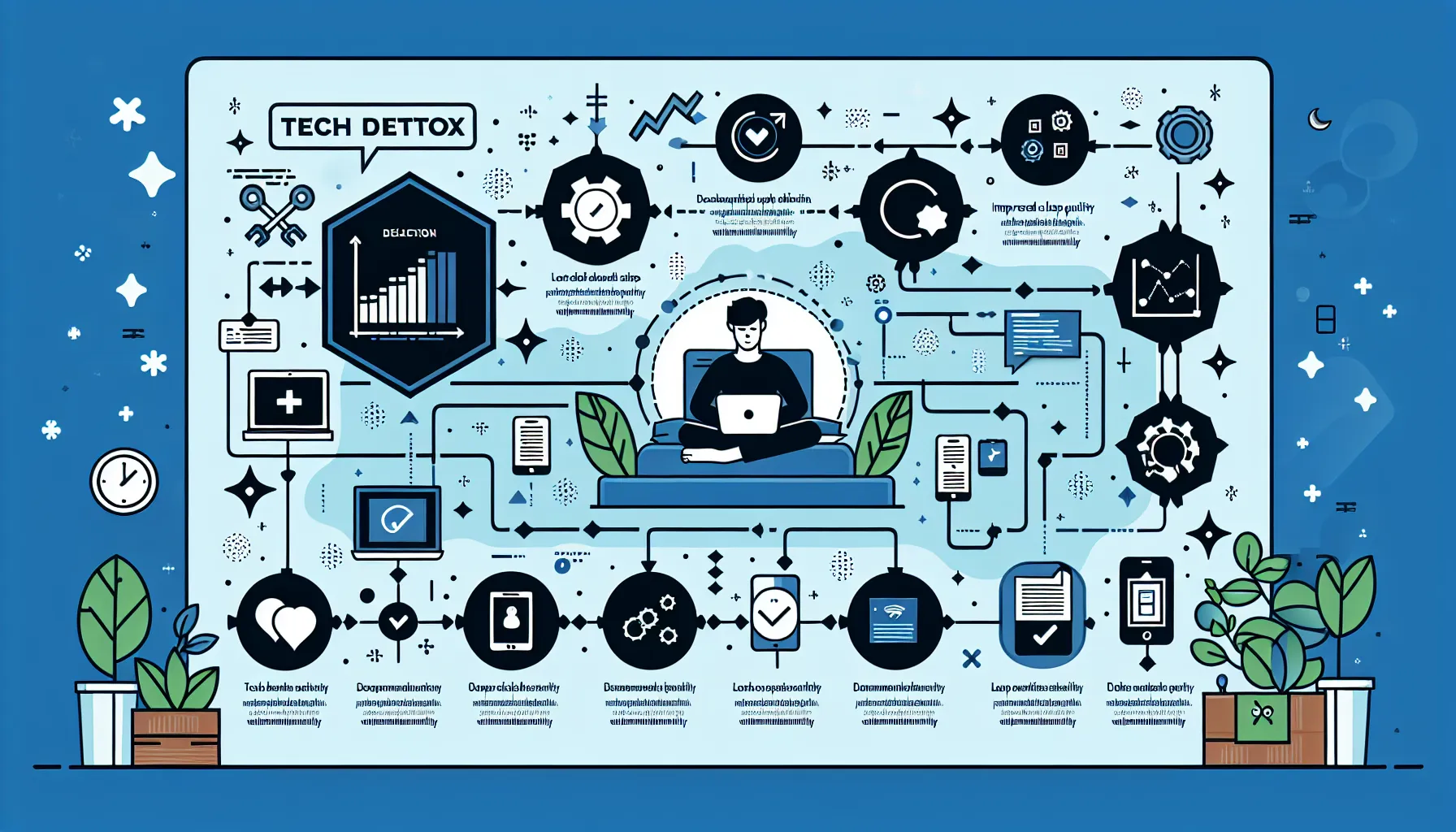
In today’s hyper-connected world, the impact of technology on our daily lives cannot be overstated. Many individuals struggle with the pervasive influence of screens, particularly in the hours leading up to bedtime. A digital detox, or taking intentional breaks from digital devices, has been shown to provide numerous benefits for sleep quality. Here, we explore effective strategies to create a tech-free sleep environment and establish healthier screen time habits that can significantly improve sleep quality.
Creating a Tech-Free Sleep Environment
Establishing a tech-free zone, particularly in the bedroom, is one of the most effective strategies for enhancing sleep quality. A cluttered environment filled with technology can increase stress levels and hinder relaxation, making it difficult to fall asleep. Here are some actionable steps to create a more conducive sleeping space:
Remove Devices: Keep televisions, smartphones, tablets, and computers out of the bedroom. This creates a sanctuary for sleep, reducing the temptation to engage with screens right before bed.
Implement a Digital Curfew: Set a specific time each night to turn off all digital devices. This curfew should ideally be at least one hour before bedtime. Research from the National Sleep Foundation suggests that reducing screen time before bed can lead to better sleep quality and longer sleep duration.
Use Blue Light Filters: If you must use devices in the evening, consider using apps or settings that filter blue light, which is known to interfere with melatonin production. Built-in features on smartphones and computers can adjust screen colors to warmer tones.
Create a Relaxing Atmosphere: Replace screens with calming activities such as reading a book, practicing meditation, or listening to soothing music. Personal anecdotes reveal that individuals who have adopted this approach often find it easier to unwind and fall asleep faster.
Establishing Healthy Screen Time Habits
While it’s essential to create a tech-free environment, establishing healthy screen time habits throughout the day can also contribute significantly to better sleep health. Here are some strategies:
Limit Screen Time During the Day: Aim for a balanced approach to technology use during the day. The American Academy of Pediatrics suggests limiting recreational screen time to no more than one hour per day for children, but adults can also benefit from similar restrictions.
Engage in Physical Activity: Regular physical activity can promote better sleep. According to a study published in the Journal of Clinical Sleep Medicine, individuals who engage in moderate exercise are more likely to report improved sleep quality. Consider replacing some screen time with activities like walking, cycling, or yoga.
Prioritize Sleep Hygiene: Establish a consistent sleep schedule by going to bed and waking up at the same time every day. This routine reinforces your bodys natural circadian rhythms.
Replace Screen Time with Relaxation Techniques: Many individuals have found success in replacing screen time with relaxation techniques. For instance, Sarah, a school teacher, replaced her Netflix binge-watching with a nightly routine of reading and journaling. She reported that this simple change dramatically improved her sleep quality, allowing her to wake up feeling more refreshed.
Mindfulness and Meditation: Incorporating mindfulness practices or meditation into your evening routine can help calm the mind. Apps like Headspace or Calm offer guided meditations specifically designed for sleep improvement.
Conclusion
The connection between a digital detox and improved sleep quality is becoming increasingly clear. By creating a tech-free environment and establishing healthy screen time habits, individuals can experience significant benefits to their sleep health. As more research continues to emerge on the impacts of technology on sleep, the benefits of a digital detox for better sleep remain a relevant and crucial discussion.
In summary, consider implementing these strategies:
- Remove devices from the bedroom.
- Set a digital curfew at least one hour before bed.
- Engage in relaxing activities instead of screen time.
- Limit daytime screen time and prioritize physical activity.
- Incorporate mindfulness and relaxation techniques into your routine.
By taking these steps, you can improve sleep quality and overall well-being. For more insights on sleep health and technology’s impact, check out Healthlines guide on sleep hygiene and the National Sleep Foundation’s recommendations.
Current Trends in Tech Detox for Sleep Improvement
In recent years, there has been a notable surge in the interest surrounding tech detox practices, particularly as they relate to sleep improvement. As individuals become increasingly aware of the detrimental effects of excessive screen time on sleep quality, many are embracing digital detox strategies to enhance their overall sleep health. This section explores two key trends: the rising popularity of sleep apps and tools, and the growing community support for digital detox initiatives.
Rising Popularity of Sleep Apps and Tools
The market for sleep tracking apps has expanded significantly, reflecting a growing awareness of the connection between technology use and sleep quality. According to a report by ResearchAndMarkets.com, the global sleep tech market was valued at approximately $76 billion in 2022 and is projected to reach around $112 billion by 2027. This growth indicates that more consumers are seeking tools to help improve their sleep quality, making tech detox benefits for sleep a priority.
Key Features of Popular Sleep Apps
- Sleep Tracking: Many apps offer features that monitor sleep patterns, providing users with insights into their sleep cycles and quality.
- Example: Apps like Sleep Cycle and Oura Ring analyze sleep stages to help users understand their sleep health better.
- Guided Relaxation: Many sleep apps incorporate relaxation techniques such as meditation and breathing exercises to ease users into sleep.
- Example: Calm and Headspace offer sleep stories and calming sounds that are scientifically designed to help initiate restful sleep.
- Sleep Challenges: Some apps encourage users to participate in sleep challenges that promote tech detox practices.
- Example: The Sleep Challenge app sets specific goals for users to reduce screen time before bedtime, fostering healthier tech habits.
Recent surveys indicate a rise in participation in digital detox challenges, with platforms like Instagram and TikTok seeing increased engagement in hashtags related to sleep health. A survey conducted by Sleep Foundation found that 60% of respondents reported improved sleep quality after participating in a digital detox challenge, highlighting the positive outcomes of reducing screen time before bed.
Community Support for Digital Detox
The rise of online communities advocating for healthier tech habits has played a crucial role in promoting tech detox for better sleep. Social media platforms have become hubs for sharing experiences, tips, and support for digital detox initiatives.
Benefits of Community Support
- Shared Experiences: Individuals can share their struggles and successes, creating a sense of belonging and motivation.
- Access to Resources: Communities often provide resources such as articles, podcasts, and expert advice on maintaining a tech detox lifestyle.
For instance, the #DigitalDetox hashtag on Instagram has garnered millions of posts, showcasing individuals participating in challenges that encourage reduced screen time. Furthermore, platforms like Reddit have dedicated forums where users can discuss their experiences with tech detox and its impact on sleep quality.
Data on Community Engagement
According to a report by Statista, the number of discussions surrounding digital detox on social media increased by over 150% from 2020 to 2023. This indicates a growing interest in the topic and an increasing willingness to engage in digital detox practices to improve sleep health.
Conclusion
As awareness grows around the adverse effects of technology on sleep quality, the trends of sleep apps and community support for digital detoxes are becoming increasingly prevalent. With numerous tools available to track sleep and foster healthier habits, individuals are more equipped than ever to embark on their journey toward improved sleep quality. Furthermore, the support of online communities enhances motivation and provides essential resources, making the path to better sleep more accessible.
For those looking to improve their sleep quality, embracing a tech detox can be a powerful step forward. Whether through utilizing sleep tracking apps or joining online support groups, the emphasis on reducing technology use before bedtime is proving to be a valuable strategy in promoting sleep health.
For further insights on sleep technology trends, you can explore the full report on ResearchAndMarkets or visit the Sleep Foundation for more sleep health tips and information.
Future Projections for Tech Detox and Sleep Health
The increasing concern surrounding sleep quality has catalyzed a rising trend in tech detox programs. As more people recognize the tech detox benefits for sleep, the emphasis on improving sleep quality is gaining traction. This section explores anticipated advancements in sleep technology and the growing awareness surrounding the importance of digital detox for better sleep.
Advancements in Sleep Technology
The future of sleep technology is promising, with innovative solutions aimed at helping individuals manage their screen time and foster healthier sleep patterns. Here are some anticipated advancements:
Wearable Sleep Trackers: Devices like the Oura Ring and Fitbit are evolving to offer more nuanced insights into sleep quality. These wearables now incorporate features that analyze light exposure and its effects on sleep cycles, encouraging users to engage in tech detox practices.
Smart Home Integration: With smart home technologies, individuals can create environments conducive to sleep. For instance, smart lighting systems can adjust brightness and color temperature in the evening to mimic natural sunset, while smart thermostats can optimize bedroom temperatures for better sleep health.
Sleep Apps with Digital Detox Features: Applications such as Sleep Cycle and Calm are incorporating digital detox features that remind users to unplug before bed. These tools not only track sleep but also promote bedtime routines that minimize screen exposure.
Blue Light Blocking Technology: Products like blue light blocking glasses are becoming essential for those who engage with screens in the evening. These products help mitigate the harmful effects of blue light on sleep, aiding users in achieving more restorative sleep.
Recent studies indicate that sleep technology is experiencing rapid growth. According to a report by MarketsandMarkets, the global sleep tech market is expected to reach $76.7 billion by 2026, growing at a CAGR of 10.7% from 2021 to 2026. This growth highlights the increasing importance of sleep and the role that technology plays in enhancing sleep quality.
Increasing Awareness and Research Focus
As awareness of sleep health grows, so does the emphasis on digital detox strategies for better sleep. Several factors contribute to this trend:
Public Health Initiatives: Organizations such as the National Sleep Foundation are ramping up efforts to educate the public about the importance of sleep. Their campaigns often highlight the negative impacts of technology on sleep and encourage tech detox practices.
Academic Research: Recent studies are increasingly focusing on the relationship between technology use and sleep quality. A study published in the journal Sleep Health found that excessive screen time, especially before bed, is significantly correlated with poor sleep quality and increased insomnia symptoms.
Corporate Wellness Programs: More companies are introducing wellness programs that include tech detox initiatives. For example, tech giants like Google and Microsoft have implemented “screen-free” hours, encouraging employees to detach from their devices and focus on health and wellness.
Community Workshops: Local health organizations are hosting workshops that teach community members about the benefits of tech detox for sleep. These sessions often provide actionable sleep health tips and promote the importance of establishing a bedtime routine that minimizes screen use.
The growing body of research indicates a shift in societal attitudes towards technology use, with many recognizing the need to balance digital engagement with sleep health. A survey conducted by the American Psychological Association revealed that nearly 70% of adults feel sleep is essential to their overall health, further underscoring the importance of tech detox in fostering better sleep quality.
Innovative Products Promoting Better Sleep
The market is witnessing a surge in products designed to promote better sleep by minimizing screen time and supporting tech detox efforts. Some notable examples include:
Bedtime Story Apps: Applications like Headspace offer guided meditations and bedtime stories aimed at reducing anxiety and promoting relaxation before sleep. These apps encourage users to transition from screen time to more calming activities.
Sleep-Inducing Sound Machines: Products like the LectroFan create ambient noise that helps mask disruptive sounds, promoting a more restful sleep environment. These devices often come with settings that encourage users to wind down without screens.
Digital Wellbeing Features: Smartphones are adapting by incorporating built-in features that encourage users to set screen time limits. For instance, Apples Screen Time and Androids Digital Wellbeing tools allow users to monitor and restrict their device usage in the hours leading up to bedtime.
The combination of technological advancements and heightened awareness is paving the way for a future where tech detox practices are integral to improving sleep quality. As more people prioritize sleep health, the demand for innovative solutions that support digital detox efforts will likely continue to grow.
In conclusion, the connection between tech detox and improved sleep quality is becoming increasingly evident. With advancements in technology and a rising awareness of sleep health, individuals are better equipped to manage their screen time and enjoy the restorative benefits of quality sleep.
For more insights on enhancing sleep health and the impact of technology, consider exploring resources from the National Sleep Foundation and recent findings from Harvard University.
Key Takeaways
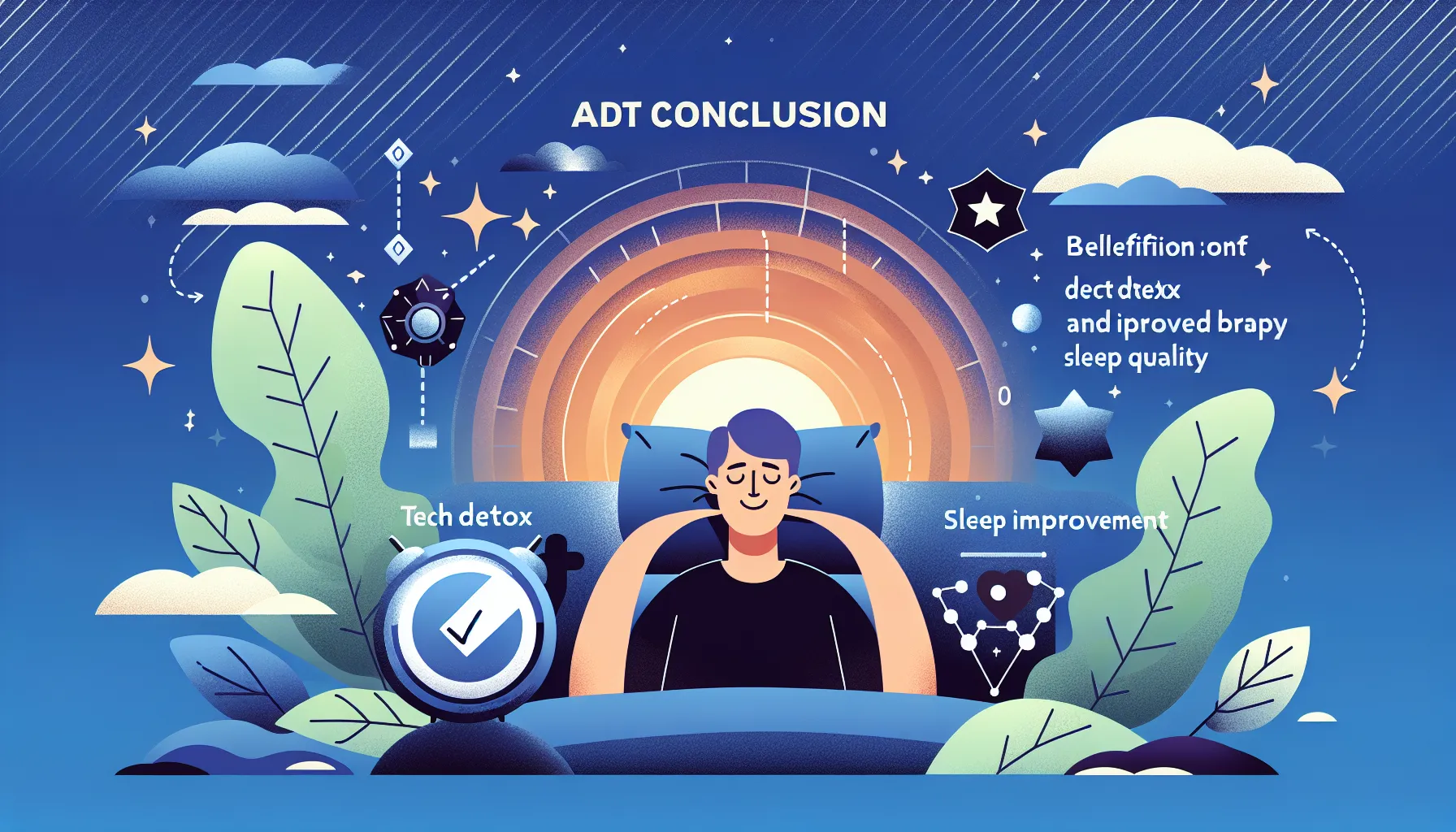
In conclusion, the connection between tech detox and improved sleep quality is becoming increasingly evident. The insights gathered from various studies and expert recommendations reveal that disconnecting from technology, especially before bedtime, can significantly enhance the quality of our nightly rest. Nowadays, the prevalence of screen time before sleep is a concern that many face, leading to the urgent need for actionable strategies to improve our health.
One of the most important takeaways is that implementing actionable sleep health tips can yield immediate benefits. Simple changes such as establishing a technology-free wind-down routine, creating a sleep-friendly environment, and practicing mindfulness can dramatically improve sleep quality. Additionally, being cognizant of our tech usage during the day, especially in the hours leading up to bedtime, is crucial. Limiting exposure to blue light and setting designated tech-free hours can help signal to our bodies that it is time to relax and prepare for sleep.
Currently, awareness of the importance of tech management is on the rise as more individuals recognize the negative impact of excessive screen time on their overall well-being. This shift is reflected in a growing number of wellness programs and workshops focused on digital detox strategies, emphasizing the need for balance in our tech-driven lives. Furthermore, experts suggest that as we continue to navigate an increasingly digital world, prioritizing our health and sleep will be essential.
Looking ahead, emerging trends indicate a potential for innovative solutions aimed at promoting better sleep through tech management. For instance, sleep tracking devices and apps are evolving to incorporate features that help users limit their screen time and improve their sleep hygiene. According to Sleep Foundation’s insights, we may see a rise in hybrid wellness approaches that combine technology with holistic practices to encourage healthier lifestyles. As the conversation around mental health and well-being continues to grow, the integration of tech detox practices into daily routines is likely to become even more prevalent.
As we move forward, it is essential to take proactive steps toward managing our tech usage for the sake of our sleep quality. Consider starting with small, manageable changes today, such as designating a specific time in the evening to unplug from devices, or exploring various mindfulness techniques that can help ease the transition to restful sleep. To deepen your understanding of the relationship between technology and sleep, check out Healthline’s comprehensive guide on sleep hygiene. By prioritizing our sleep health, we can create a better balance between our digital lives and our well-being.
Frequently Asked Questions
What is a tech detox and how does it improve sleep?
A tech detox involves taking a break from electronic devices such as smartphones, tablets, and computers. This practice can improve sleep quality by reducing exposure to blue light, which interferes with the bodys natural sleep-wake cycle. By minimizing screen time, especially close to bedtime, individuals can experience better melatonin production, leading to more restful and restorative sleep. Additionally, a tech detox can help reduce anxiety and promote relaxation, further enhancing sleep quality.
How much screen time is too much before bed?
Experts recommend limiting screen time to at least 1 hour before bedtime to promote better sleep quality. Prolonged exposure to screens can disrupt the production of melatonin, making it harder to fall asleep. Ideally, aim for no more than 30 minutes of screen time in the evening, and consider using features like ‘night mode’ on devices to reduce blue light exposure. Creating a calming bedtime routine that doesn’t involve screens can greatly enhance your chances of a good night’s sleep.
What are some effective strategies for a tech detox?
Effective strategies for a tech detox include setting specific screen-free hours, particularly during meals and before bed. Designate tech-free zones in your home, such as the bedroom, to promote better sleep hygiene. Engaging in alternative activities like reading, exercising, or pursuing hobbies can also help fill the void left by reduced screen time. Additionally, consider using apps that track and limit your screen usage to help stay accountable during your detox journey.
Can a tech detox help with insomnia?
Yes, a tech detox can significantly help individuals struggling with insomnia. By reducing screen time, especially in the evening, you can improve melatonin levels and enhance your sleep cycle. Many people find that disconnecting from social media and digital distractions helps alleviate anxiety, which is often a contributor to insomnia. Incorporating mindfulness practices or relaxation techniques during a tech detox can further support improved sleep quality and promote a healthier sleep routine.
What are the mental health benefits of a tech detox?
A tech detox offers several mental health benefits, including reduced anxiety, improved focus, and enhanced mood. By stepping away from constant notifications and the pressure of social media, individuals can experience greater peace of mind and clarity. Additionally, tech detoxes encourage real-life social interactions, which can foster stronger connections and reduce feelings of isolation. Ultimately, taking breaks from technology can lead to a more balanced and fulfilling lifestyle, positively impacting overall mental well-being.
How can I gradually implement a tech detox?
To gradually implement a tech detox, start by setting small, realistic goals. For instance, designate specific hours each day when screens are off, slowly increasing the time over weeks. You might also want to identify the apps or platforms that consume most of your time and reduce usage incrementally. Incorporating tech-free activities, like outdoor walks or reading, can help ease the transition. Documenting your feelings and sleep quality during the detox can provide motivation and insight into its benefits.
What are some tech-free activities to try during a detox?
During a tech detox, consider engaging in activities that promote relaxation and creativity. Reading a physical book, practicing yoga, or meditating can help reduce stress and improve mental clarity. Outdoor activities, such as hiking or gardening, not only connect you with nature but also boost physical health. Crafting, cooking, or journaling are excellent alternatives that stimulate the mind without screens. These activities can enhance your overall well-being and contribute to improved sleep quality.
Can children benefit from a tech detox?
Absolutely, children can benefit significantly from a tech detox. Reducing screen time can help improve their sleep patterns, focus, and social skills. Excessive screen exposure can lead to sleep disturbances and behavioral issues. Encouraging tech-free family activities, such as board games or outdoor play, can foster stronger family bonds and promote healthier lifestyles. Establishing tech-free hours or zones in the home helps create a balanced environment that supports better overall well-being for children.