
Understanding the Impact of Technology on Mental Health
The honest impact of technology on mental health — where it genuinely helps (access, connection, tools), where it quietly harms, and how to bias the balance in your favor.


24 min read
What You Need to Know
Technology is not straightforwardly good or bad for mental health. A teletherapy app in a rural town is an enormous positive. A TikTok algorithm serving anxious teens more anxiety content is an enormous negative. Both are “technology.” The interesting question is not whether tech is good or bad for your head — it is which specific uses of which specific tools are pulling which direction in your own life.
This article walks through that honestly. Where technology helps: access to therapy, peer communities, CBT and meditation apps with real evidence behind them, and tools that offload cognitive load. Where technology hurts: social-comparison feeds, rage-optimized news, endless scrolling, sleep disruption, and parasocial replacement of real connection. Then the practical part — how to audit your own stack (keep what clearly helps, cut what clearly hurts, be honest about the in-between) and pair with our mental health and technology tips.
The Double-Edged Sword of Technology
Technology has woven itself into the fabric of our daily lives, reshaping how we communicate, learn, and interact. As we explore the impact of technology on mental health, it becomes evident that this relationship is complex and multifaceted. While technology offers numerous benefits, it can also have detrimental effects on wellbeing. Understanding the tech and mental health dynamics is vital in navigating these influences.
Positive Effects
- Enhanced Communication and Support:
- Technology has revolutionized the way individuals connect. Platforms such as WhatsApp, Zoom, and Facebook provide avenues for staying in touch with friends and family, regardless of geographical barriers. This connectivity can foster a sense of belonging and support, especially for individuals who may feel isolated.
- For example, during the COVID-19 pandemic, many people relied on video calls to maintain their social interactions, which helped mitigate feelings of loneliness and depression. According to a study by the Pew Research Center, 46% of adults reported that technology helped them connect with loved ones during this challenging time (Pew Research Center).
- Access to Mental Health Resources:
- Digital platforms offer access to mental health resources that were previously less accessible. Apps like Headspace and Calm provide guided meditations and mindfulness exercises that can promote emotional wellbeing.
- Teletherapy services, such as BetterHelp and Talkspace, have gained popularity, enabling individuals to seek professional help from the comfort of their homes. A report from the American Psychological Association indicates that teletherapy has effectively addressed the needs of many individuals during the pandemic, with a significant increase in online therapy sessions (APA).
- Supportive Online Communities:
- Online forums and social media groups can provide emotional support and a sense of community for individuals struggling with mental health issues. Platforms like Reddit and Facebook host groups where users share experiences and coping strategies.
- A survey by the Mental Health Foundation found that 63% of people who participated in online support groups felt less alone after engaging with others who share similar experiences (Mental Health Foundation).
Negative Effects
- Excessive Use Leading to Anxiety and Depression:
- While technology can facilitate connection, excessive use has been linked to increased feelings of anxiety and depression. A study published in the journal JAMA Psychiatry found that high social media usage correlates with poorer mental health outcomes, particularly among adolescents (JAMA Psychiatry).
- Notable: Over 40% of adolescents report feeling pressure to be available online at all times, contributing to stress and anxiety.
- Social Media Isolation:
- Despite its potential for connection, social media can also foster isolation. Users may experience feelings of inadequacy when comparing themselves to curated images of others’ lives. The phenomenon known as “social media envy” can lead to decreased self-esteem and increased feelings of loneliness.
- A recent study from the University of Pennsylvania found that limiting social media usage to 30 minutes a day significantly reduced feelings of loneliness and depression among participants (University of Pennsylvania).
- Disrupted Sleep Patterns:
- The overuse of technology, particularly before bedtime, can disrupt sleep patterns, leading to sleep deprivation and its associated mental health consequences. The blue light emitted from screens can interfere with the body’s natural sleep-wake cycle, making it harder to fall asleep and stay asleep.
- According to the Sleep Foundation, 50% of adults report using technology within an hour of bedtime, which can negatively impact sleep quality and, in turn, mental health (Sleep Foundation).
Summary Table of Technology’s Impact on Mental Health
| Positive Effects | Negative Effects |
|---|---|
| Enhanced communication and support | Excessive use leading to anxiety and depression |
| Access to mental health resources | Social media isolation |
| Supportive online communities | Disrupted sleep patterns |
By fostering an awareness of these dynamics, individuals can better manage their technology consumption, ultimately enhancing their mental health and overall wellbeing. As we continue to explore this subject, it is vital to remain informed about the ongoing trends and research in the intersection of technology and mental health.
For further insights on this topic, explore the following resources:
- TechCrunch on technology and mental health
- NPR’s coverage on the effects of social media
- Harvard’s research on mental health resources
Current Trends in Technology Use and Mental Health
The relationship between technology and mental health has evolved significantly, particularly in recent years. This section explores two prominent trends: the increase in screen time across various demographics and the rise of mental health applications that offer innovative approaches to self-care and therapy.
Increased Screen Time
The modern world has witnessed a dramatic surge in screen time among individuals of all ages. Recent statistics indicate that adults spend an average of 7.5 hours each day on screens, while teens clock in at more than 9 hours daily. This widespread increase in technology usage raises concerns about its effects on mental health and overall well-being.
Several factors contribute to this trend, including the proliferation of smartphones, increased remote work, and the rise of streaming services. Some notable points include:
Impact on Different Age Groups:
Children aged 2-5 are reported to spend about 4 hours daily on screens, a significant increase from previous years.
Adults aged 18-34 exhibit the highest levels of screen time, often engaging with multiple devices simultaneously.
Implications for Mental Health:
Prolonged screen time has been correlated with increased feelings of anxiety and depression. A study published in the Journal of Psychological Disorders found that individuals who engage with screens for extended periods are more likely to report symptoms associated with these conditions.
Experts suggest that the content consumed during screen time also plays a crucial role. Engaging with negative or distressing content can exacerbate mental health issues.
Social Media’s Role:
Platforms such as Instagram and TikTok have garnered millions of users, particularly among younger demographics. While these platforms offer connectivity, they can also lead to feelings of inadequacy and loneliness, as users often compare their lives to others portrayed online.
Rise of Mental Health Apps
In response to the increasing awareness of mental health issues, a growing number of mental health apps have emerged, providing users with tools for self-help and therapy. These applications offer various features designed to support mental well-being, from meditation and mindfulness practices to mood tracking and cognitive behavioral therapy exercises.
Some key aspects include:
Popular Mental Health Apps:
Headspace: This app focuses on mindfulness and meditation, helping users reduce stress and improve their mental health. Recent data shows that Headspace has over 65 million downloads, indicating its widespread acceptance.
Calm: Known for its soothing sounds and guided meditations, Calm has also gained immense popularity, boasting over 100 million downloads. It emphasizes relaxation and sleep improvement, targeting issues that are increasingly prevalent in today’s fast-paced society.
Accessibility and Affordability:
Mental health apps often provide an affordable alternative to traditional therapy, making mental health resources accessible to a broader audience. Many apps offer free versions or affordable subscriptions, making them a viable option for those who may not seek in-person therapy.
User Engagement and Efficacy:
Studies have shown that users of mental health apps often report improvements in their mental well-being. For example, a survey published in the Journal of Medical Internet Research found that 71% of respondents using mental health apps reported feeling less stressed after regular use.
Integration with Wearable Technology:
Many mental health apps are now integrating with wearable technology, allowing users to monitor their physical health alongside their mental health. For instance, apps can track heart rates and sleep patterns, providing a more comprehensive view of an individual’s well-being.
Conclusion
Understanding tech and mental health is vital as society navigates through this digital age. The increased screen time among various age groups and the rise of mental health apps both demonstrate the complex relationship between technology and mental health. While technology can contribute to mental health challenges, it also offers innovative solutions that can support individuals in managing their well-being.
As we move forward, it will be essential to balance technology use with awareness of its potential effects on well-being. Continued research and dialogue around these topics will help foster a healthier relationship with technology in the context of mental health.
For further insights, you can explore the latest findings on this topic from Harvard’s research on technology and mental health and NPR’s coverage on mental health trends.
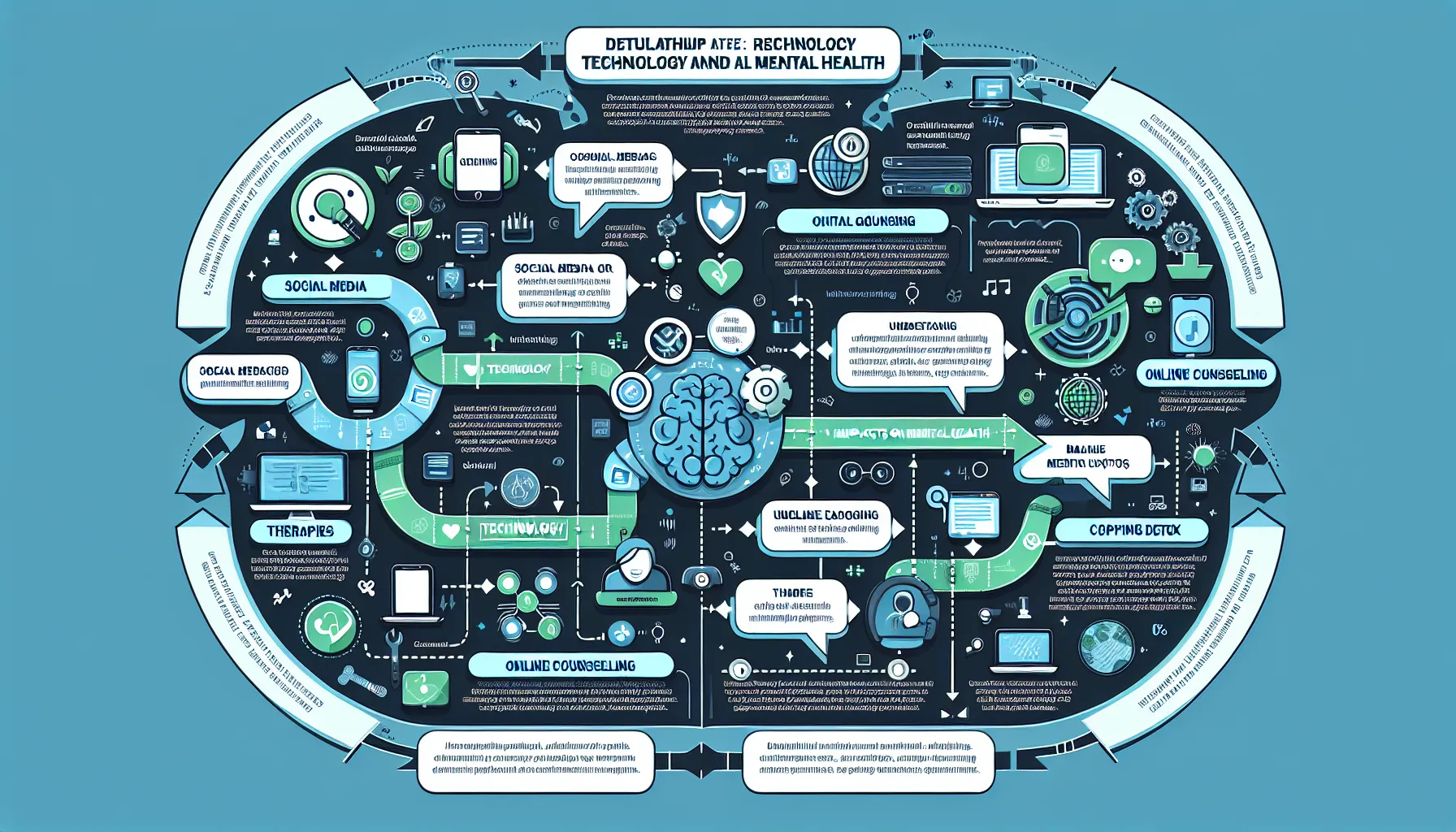
Latest Data and Insights on Technology and Wellbeing
Understanding the impact of technology on mental health requires a critical examination of the latest data and insights surrounding the subject. Recent studies have provided compelling evidence of the correlation between heavy technology use and various mental health issues, particularly among younger demographics.
Statistical Overview
Current research indicates a significant relationship between excessive technology use and mental health challenges. Notable findings include:
A 2023 study published in the journal JAMA Network Open revealed that adolescents who spend more than three hours daily on social media are more likely to report feelings of depression and anxiety. The study highlighted that around 40% of teens in this category experienced heightened levels of psychological distress.
According to a survey conducted by the Pew Research Center in 2022, 61% of teens reported feeling pressured to present a perfect image on social media, which has been linked to increased anxiety and feelings of inadequacy.
A 2023 report from the American Psychological Association noted that 29% of teens using social media frequently experienced significant depressive symptoms, compared to only 6% of those who engaged less with these platforms.
This data illustrates the concerning effects of technology on wellbeing, underscoring the necessity for further investigation into the relationship between mental health and technology.
User Demographics
Understanding tech and mental health also involves examining user demographics. The data suggests that younger users are particularly vulnerable to the negative impacts of technology. Key demographic insights include:
- Age Groups:
- Adolescents (ages 13-17): Report the highest levels of anxiety and depression linked to technology use, especially from social media platforms like Instagram and TikTok.
- Young Adults (ages 18-24): This group is also affected, with 45% indicating that their mental health declined during periods of heavy social media use.
- Gender Differences:
- Female teens report higher levels of anxiety and depression compared to their male counterparts, with studies suggesting that girls are more likely to engage in social comparison on social media.
- Socioeconomic Factors:
- Teens from lower socioeconomic backgrounds often face additional stressors that can be exacerbated by technology use, leading to increased feelings of isolation and anxiety.
Examples of Impact
Several case studies and surveys illustrate the specific effects of technology on wellbeing:
A 2022 survey by Common Sense Media found that 70% of teens believe social media has a negative impact on their mental health, primarily due to the fear of missing out (FOMO) and cyberbullying.
The Youth Risk Behavior Surveillance System reported that teens who frequently engage with social media are 2.5 times more likely to experience depressive symptoms than those who do not.
A longitudinal study from Stanford University tracked the mental health of over 1,500 adolescents over five years. It concluded that increased screen time is directly correlated with higher rates of anxiety and depression, particularly in girls.
These findings emphasize the importance of addressing mental health and technology as interconnected issues, particularly for younger individuals.
Conclusion
The latest data on the technology mental health impact illustrates a troubling trend, particularly among younger demographics. With rising anxiety levels and increased rates of depression linked to heavy social media use, it is crucial for parents, educators, and policymakers to understand these trends.
For more comprehensive insights, consult resources like Pew Research Center, which offers extensive studies on technology and its effects on society, or the American Psychological Association for the latest research on mental health. Additionally, a review on recent findings can be found in JAMA Network Open which discusses the impact of social media on mental health.
As we continue to explore the intricate relationship between mental health and technology, it is vital to remain vigilant and proactive in promoting healthier technology use among all age groups.
The Role of Social Media in Mental Health
Social media has become an integral part of daily life, significantly influencing how individuals interact, communicate, and perceive themselves and others. Understanding the technology mental health impact requires a nuanced examination of social media’s dual role as both a source of community support and a platform for negative experiences, such as cyberbullying and harmful comparisons.
Community Support
One of the most significant positive effects of social media on mental health is its ability to foster community support. Platforms like Facebook, Instagram, and Twitter allow users to connect with others who share similar experiences or challenges, creating a sense of belonging that can be crucial for mental wellbeing.
- Support Groups: Numerous support groups exist on social media, often providing a safe space for individuals to share their mental health struggles. For instance, the Facebook group “Anxiety Support Group” has over 60,000 members who share coping strategies, personal stories, and encouragement.
- Real-Time Interaction: Social media facilitates immediate interactions, allowing users to seek and provide support in real time. This can be particularly beneficial during crises, where immediate emotional support is needed.
- Increased Awareness: Campaigns like #MentalHealthAwareness and #EndTheStigma have gained traction on platforms like Twitter and Instagram, raising awareness about mental health issues and encouraging open discussions.
Recent studies show that these online communities can significantly improve users’ mental health outcomes. According to a study published in the Journal of Medical Internet Research, participants who engaged in online support groups reported lower levels of anxiety and depression compared to those who did not participate.
Cyberbullying Issues
While social media can provide essential support, it also has a darker side. The rise of cyberbullying poses significant challenges to mental health, particularly among younger users. The anonymity of online interactions can lead to harmful behaviors that would be less likely to occur in face-to-face settings.
- Statistics on Cyberbullying: According to a report by the Cyberbullying Research Center, approximately 36.5% of students aged 12 to 17 have experienced cyberbullying at some point. This alarming statistic highlights the pervasive nature of online harassment and its potential effects on mental health.
- Negative Comparisons: Social media platforms often promote idealized versions of life, leading individuals to make unfavorable comparisons with others. A study from the American Psychological Association found that frequent social media use correlates with increased feelings of inadequacy and lower self-esteem, primarily due to the unrealistic standards often portrayed online.
- Long-term Effects: The long-term consequences of cyberbullying can be severe, leading to anxiety, depression, and even suicidal thoughts. The National Center for Bullying Prevention reports that victims of cyberbullying are more likely to experience mental health issues in adulthood.
Conclusion
Understanding tech and mental health requires an examination of both the supportive and detrimental aspects of social media. On one hand, social media can provide a sense of community and belonging, which is vital for mental health. On the other hand, it can facilitate negative experiences that impact wellbeing. As users navigate these platforms, it is crucial to be aware of both the potential benefits and risks associated with their use.
As we continue to explore the effects of technology on wellbeing, it becomes increasingly clear that a balanced approach to social media is necessary. Users should leverage the positive aspects while remaining vigilant about the negative influences. Mental health and technology can coexist, but awareness and proactive measures are key to ensuring that social media serves as a tool for support rather than a source of harm.
For further reading on the impact of social media on mental health, consider visiting the American Psychological Association and the Cyberbullying Research Center. These resources provide valuable insights into the ongoing discussions surrounding mental health and technology, helping individuals navigate this complex landscape.
Future Projections and Emerging Developments
As we look towards the horizon of mental health care, the integration of technology is poised to redefine diagnostics and treatment. Two significant advancements include the application of artificial intelligence (AI) in mental health diagnostics and the use of virtual reality (VR) therapies. Understanding tech and mental health can help us appreciate how these tools impact wellbeing and enhance mental health care delivery.
AI in Mental Health
Artificial intelligence is expected to play a transformative role in mental health diagnostics and treatment. A growing body of research indicates that AI can analyze vast amounts of data to identify patterns and predict mental health issues more accurately than traditional methods.
Current Developments:
AI algorithms are being developed to analyze speech patterns, text communications, and even facial expressions to detect signs of depression and anxiety. A 2023 study published in Nature found that AI models could predict depressive symptoms with an accuracy of over 80% based on social media activity alone.
Companies like Woebot Health have created AI chatbots designed to provide cognitive behavioral therapy (CBT) interventions. These platforms engage users in conversation, offering personalized coping strategies and support.
Impact on Diagnostics:
AI can assist clinicians in making more informed decisions by providing comprehensive assessments based on behavioral data. This technology can also help reduce the stigma associated with seeking help, as individuals may feel more comfortable interacting with AI before approaching a mental health professional.
Challenges:
Despite the potential benefits, there are ethical concerns regarding privacy and data security. Additionally, AI-based diagnostics must be validated through rigorous clinical trials to ensure their effectiveness and reliability.
Virtual Reality Therapies
Virtual reality is gaining traction as a promising therapeutic tool for various mental health conditions, particularly anxiety disorders and PTSD (Post-Traumatic Stress Disorder). VR therapy creates immersive environments that allow patients to confront their fears in a controlled and safe setting.
Studies and Findings:
Research from Stanford University has demonstrated the effectiveness of VR exposure therapy for anxiety disorders. In a recent trial, participants exposed to their fears in a VR setting showed a 60% reduction in anxiety levels after just a few sessions.
The use of VR in treating PTSD has also shown significant promise. A study published in the Journal of Anxiety Disorders revealed that veterans who underwent VR therapy reported substantial decreases in PTSD symptoms compared to those who received standard treatment.
Applications:
VR can simulate scenarios that provoke anxiety, such as public speaking or flying, allowing patients to practice coping mechanisms in real-time. Programs like Limbix and Oxford VR are at the forefront, offering tailored VR experiences that aim to desensitize users to their fears.
Future Prospects:
As technology continues to evolve, we can expect more sophisticated VR applications that incorporate biofeedback and AI, creating a more personalized therapeutic experience. The market for VR in mental health is projected to reach $2 billion by 2025, indicating a growing acceptance and integration of these technologies.
Conclusion
Understanding the impact of technology on mental health reveals both exciting possibilities and significant challenges. As AI and VR therapies continue to develop, they promise to enhance diagnostics and treatment options, potentially revolutionizing the mental health landscape. However, it is crucial to approach these advancements with caution, ensuring that ethical considerations are addressed and that patient privacy is safeguarded.
The ongoing research and clinical trials are essential in validating these technologies’ effectiveness and ensuring they complement traditional mental health care rather than replace it. Mental health and technology are intertwined more than ever, and staying informed about these developments will be vital for practitioners and patients alike.
For more information on the future of AI in healthcare, visit Nature and Stanford University. For insights on the latest in VR therapies, check out TechCrunch.
Key Takeaways
Understanding the impact of technology on mental health reveals a complicated and evolving landscape. Nowadays, technology serves as both a tool for connection and a source of stress, highlighting the need for a balanced approach to its use. The insights gathered emphasize that while technology can enhance our lives, it also necessitates awareness and moderation to promote overall well-being.
One of the key takeaways is that technology’s influence on mental health is multifaceted. Social media platforms can foster a sense of community and support, particularly for those grappling with mental health issues. However, they can also lead to feelings of inadequacy and anxiety when individuals compare their lives to curated online personas. As such, it is vital to cultivate an awareness of how these platforms affect our mental state. Engaging with technology mindfully—setting boundaries on screen time and curating digital interactions—can significantly enhance well-being.
At present, individuals are encouraged to adopt moderation in their tech use. This can involve simple steps such as scheduling regular breaks from screens, engaging in offline activities, and utilizing technology that promotes mental health, such as mindfulness apps or virtual therapy. By actively choosing how and when to engage with technology, individuals can mitigate its adverse effects and foster a healthier relationship with their digital environments.
Looking ahead, future advancements in technology may offer innovative solutions to mental health challenges. The integration of artificial intelligence in mental health care is one promising avenue, potentially allowing for personalized treatment plans that can adapt to individual needs. As noted in a report by Psychology Today, the rise of telehealth services during recent times has already shown that technology can enhance accessibility to mental health resources, particularly for marginalized communities.
Emerging trends such as virtual reality therapy are also gaining traction, presenting new possibilities for immersive therapeutic experiences. As these technologies continue to develop, they may provide novel means for addressing mental health issues, potentially revolutionizing the way care is delivered. Experts suggest that staying informed about these advancements will be crucial for both providers and consumers of mental health services.
In conclusion, the intersection of technology and mental health calls for a proactive approach. As we navigate this complex landscape, it is essential to remain vigilant about our tech habits and embrace innovations that can enhance our mental well-being. Now is the time to take action—whether through personal moderation or advocating for responsible tech development—to ensure that technology serves as a beneficial ally in our mental health journey. For more insights on promoting mental health in the digital age, consider exploring resources like Mental Health America, which offers valuable information and support.
Frequently Asked Questions
How does technology affect mental health?
Technology has a dual impact on mental health. On one hand, it can provide access to support networks, therapy resources, and mental health information. On the other hand, excessive screen time, social media comparison, and cyberbullying can contribute to anxiety, depression, and loneliness. It’s essential to find a balance in technology use, focusing on positive interactions while minimizing exposure to harmful content to promote better mental well-being.
What are the benefits of mental health apps?
Mental health apps offer numerous benefits, including easy access to self-help resources, guided meditations, mood tracking, and journaling features. They can help users develop coping strategies, enhance mindfulness, and monitor their mental health progress. Additionally, many apps provide anonymity and convenience, which can encourage individuals to seek help without the stigma associated with traditional therapy. Overall, they serve as valuable tools for managing mental health in today’s digital age.
Is social media harmful to mental health?
Social media can be harmful to mental health, particularly when it leads to negative comparisons and feelings of inadequacy. Constant exposure to curated and idealized lives can contribute to anxiety and depression. However, social media can also foster connection and support. The impact largely depends on individual usage patterns; mindful engagement and limiting exposure to toxic content can help mitigate potential negative effects while enhancing positive interactions.
Can technology improve access to mental health resources?
Yes, technology significantly improves access to mental health resources. Teletherapy platforms, online support groups, and mental health websites provide individuals with easy access to therapy and information from the comfort of their homes. This accessibility can be particularly beneficial for those in remote areas or individuals who may feel uncomfortable seeking help in person. Technology helps break down barriers to mental health care, making it more approachable for everyone.
How can screen time affect mental health?
Excessive screen time can negatively impact mental health by contributing to feelings of isolation, anxiety, and depression. Extended use of devices often leads to disrupted sleep patterns and decreased physical activity, which can exacerbate mental health issues. However, moderate screen time, especially when used for positive social interactions or educational purposes, can have beneficial effects. Striking a balance and engaging in offline activities is crucial for maintaining mental well-being.
Do online support communities help with mental health?
Yes, online support communities can provide significant benefits for individuals struggling with mental health issues. These platforms offer a sense of belonging and understanding, allowing users to share experiences and coping strategies. They can reduce feelings of isolation and stigma while providing emotional support. However, it’s essential to engage in communities that promote positive and constructive discussions to ensure that the experience is beneficial for mental health.
What role does gaming play in mental health?
Gaming can have both positive and negative effects on mental health. On the positive side, it can serve as a stress relief, enhance cognitive skills, and foster social connections through multiplayer experiences. However, excessive gaming can lead to addiction, sleep disturbances, and social withdrawal, which can negatively affect mental well-being. Finding a healthy balance and setting limits on gaming time is essential for maximizing its benefits while minimizing risks.
How can I use technology to improve my mental health?
To improve your mental health using technology, consider incorporating mental health apps for mindfulness, meditation, and mood tracking into your daily routine. Engage with online support groups to connect with others facing similar challenges and learn from their experiences. Set boundaries around social media use, focusing on positive interactions. Lastly, utilize teletherapy services for professional support when needed, ensuring that technology serves as a tool for enhancement rather than a source of stress.