
Understanding the Role of Mindfulness in Self-Improvement
The role mindfulness actually plays in self-improvement — not as a goal in itself, but as the awareness layer that makes the rest of the work possible.


21 min read
What You Need to Know
Mindfulness is not a self-improvement technique on its own — it is the awareness layer that makes every other technique possible. You cannot change a habit you have not noticed. You cannot regulate an emotion you have not named. You cannot hold a commitment you have not felt. Mindfulness is the part that lets you see what is happening, so you can actually do something about it.
This article places mindfulness inside a realistic self-improvement stack. We cover the practices that pay off quickly (daily ten minutes of sitting or walking practice, a brief evening review, a noting habit for recurring thoughts), the mindfulness techniques that pair well with habit change and goal-setting, and the limits — mindfulness is not a substitute for therapy, not a cure-all, and not something you need to do on a mountain. It is the quiet layer underneath the rest of the work.
Defining Mindfulness and Its Core Principles
What is Mindfulness?
Mindfulness can be understood as the practice of being wholly present and engaged in the moment, without judgment. This concept, rooted in Buddhist traditions, has gained significant traction in contemporary psychology and self-improvement practices. At its core, mindfulness emphasizes awareness and acceptance of our thoughts, feelings, and bodily sensations.
Recent studies indicate that mindfulness can play a crucial role in self-improvement by fostering emotional resilience, reducing stress, and enhancing focus. According to a report published in the Journal of Happiness Studies, individuals who regularly practice mindfulness experience a 40% increase in overall well-being and life satisfaction. This highlights its potential influence on personal growth and self-enhancement.
Key Principles of Mindfulness
To fully grasp the role of mindfulness in self-improvement, it’s essential to understand its core principles. These principles serve as the foundation upon which mindfulness practices are built:
Non-Judgment: This principle encourages individuals to observe their thoughts and feelings without labeling them as good or bad. By practicing non-judgment, individuals can cultivate a more accepting attitude towards themselves and their experiences.
Patience: Mindfulness teaches that growth and change take time. Practicing patience allows individuals to accept their current state without rushing toward immediate results.
Self-Compassion: This principle emphasizes treating oneself with kindness, especially during moments of difficulty or failure. Self-compassion fosters a healthier relationship with oneself, promoting resilience and emotional well-being.
Present-Moment Awareness: Perhaps the most recognized aspect of mindfulness, present-moment awareness encourages individuals to focus on the here and now, rather than dwelling on the past or worrying about the future. This practice is instrumental in reducing anxiety and stress.
Examples of Mindfulness Practices
Incorporating mindfulness into daily routines can be straightforward and beneficial. Some common practices include:
Meditation: This involves sitting quietly and focusing on your breath or a mantra. Research from the University of Massachusetts found that individuals who engaged in mindfulness meditation reported lower levels of anxiety and depression.
Breathing Exercises: Simple breathing techniques, such as the 4-7-8 method (inhale for 4 seconds, hold for 7 seconds, exhale for 8 seconds), can help ground individuals in the present moment. A study published in the American Journal of Lifestyle Medicine showed that regular breathing exercises significantly reduce stress levels.
Mindful Walking: This practice involves walking slowly and paying attention to each step. Observing the sensation of your feet touching the ground can enhance your connection to the present moment. A study by the University of California found that individuals who practiced mindful walking reported improved mood and increased mental clarity.
The integration of mindfulness in self-improvement is not merely theoretical; it has been backed by numerous studies and expert opinions. For instance, Dr. Jon Kabat-Zinn, a pioneer in mindfulness research, states, “Mindfulness is a way of befriending ourselves and our experience.” This befriending process allows individuals to engage in self-improvement more effectively.
Conclusion
Understanding mindfulness and its core principles is vital for anyone interested in self-improvement. By emphasizing present-moment awareness, non-judgment, patience, and self-compassion, mindfulness aids growth in numerous ways. As individuals explore mindfulness practices like meditation and breathing exercises, they often find themselves on a path toward greater emotional resilience and personal development.
The current landscape of mindfulness research continues to evolve, with a growing body of evidence supporting its efficacy. As more people embrace mindfulness in self-improvement, we can expect to see further insights and advancements in this transformative practice. For those looking to delve deeper into this subject, resources such as Harvard’s mindfulness research and the American Psychological Association provide valuable information on the benefits and applications of mindfulness.
As the journey of self-improvement unfolds, mindfulness remains a powerful tool for fostering growth and enhancing overall well-being.
Current Trends in Mindfulness Practices
The landscape of mindfulness practices has evolved significantly over the past few years, reflecting a growing understanding of its role in self-improvement. As more individuals seek to enhance their mental well-being, mindfulness has gained traction in various contexts, notably through the rise of mindfulness apps and their integration into workplace wellness programs. This section explores these trends, highlighting how mindfulness in self-improvement is becoming more accessible and widespread.
Increasing Popularity of Mindfulness Apps
Mindfulness apps have surged in popularity, with millions of downloads and a rapidly expanding user base. According to recent data from Sensor Tower, the global market for mindfulness apps generated over $2 billion in revenue in 2022, with projections indicating continued growth. Apps like Headspace and Calm have emerged as leaders in this space, offering guided meditations, sleep aids, and mindfulness exercises that cater to diverse user needs.
Headspace: This app, known for its user-friendly interface and engaging content, reported over 65 million downloads as of 2023. It provides a variety of courses and meditations targeting stress reduction, anxiety management, and overall well-being.
Calm: With more than 100 million downloads, Calm offers not only mindfulness practices but also features such as sleep stories and relaxing music. Its focus on mental wellness has made it a popular choice among users looking for self-improvement tools.
The accessibility of these apps has played a crucial role in popularizing mindfulness. Users can easily incorporate mindfulness practices into their daily routines, whether during morning commutes or before bedtime. The convenience and flexibility offered by these apps cater to the modern lifestyle, making mindfulness a viable option for anyone seeking personal growth.
Integration into Workplace Wellness Programs
Many companies are recognizing the importance of mindfulness in self-improvement and are incorporating it into their employee wellness initiatives. Research from the American Psychological Association indicates that organizations that promote mindfulness practices can see a significant boost in employee productivity and morale. This trend is a testament to the understanding mindfulness role in fostering a positive work environment.
Google: Known for its innovative approach to employee well-being, Google has integrated mindfulness programs, such as the “Search Inside Yourself” course, which focuses on emotional intelligence and mindfulness training.
Aetna: This health care company reported a 28% reduction in stress levels among employees who participated in their mindfulness programs. Aetna has also seen an increase in productivity, attributed to the mindfulness practices offered.
The benefits of integrating mindfulness into workplace wellness programs are becoming evident. Companies that prioritize mental well-being often experience lower turnover rates and higher employee engagement. A survey conducted by Mindful Techie found that 58% of employees reported feeling more focused and productive after participating in mindfulness training.
Conclusion
The current trends in mindfulness practices highlight a significant shift towards embracing mindfulness as a crucial element of self-improvement. The increasing popularity of mindfulness apps, alongside their integration into workplace wellness programs, underscores the growing recognition of mindfulness’s role in enhancing mental well-being and overall productivity.
As organizations and individuals alike seek to navigate the complexities of modern life, the adoption of mindfulness practices is likely to continue its upward trajectory. The data suggests that both personal and professional environments can benefit from embracing mindfulness, paving the way for a more balanced and fulfilling approach to self-improvement.
For further insights into the impact of mindfulness in workplace settings, you may refer to this Harvard Business Review article discussing the benefits of mindfulness programs in enhancing employee productivity. Additionally, TechCrunch offers a current overview of the latest trends in mindfulness app development, reflecting on how technology is shaping our mental health practices.
How Mindfulness Aids Growth in Self-Improvement
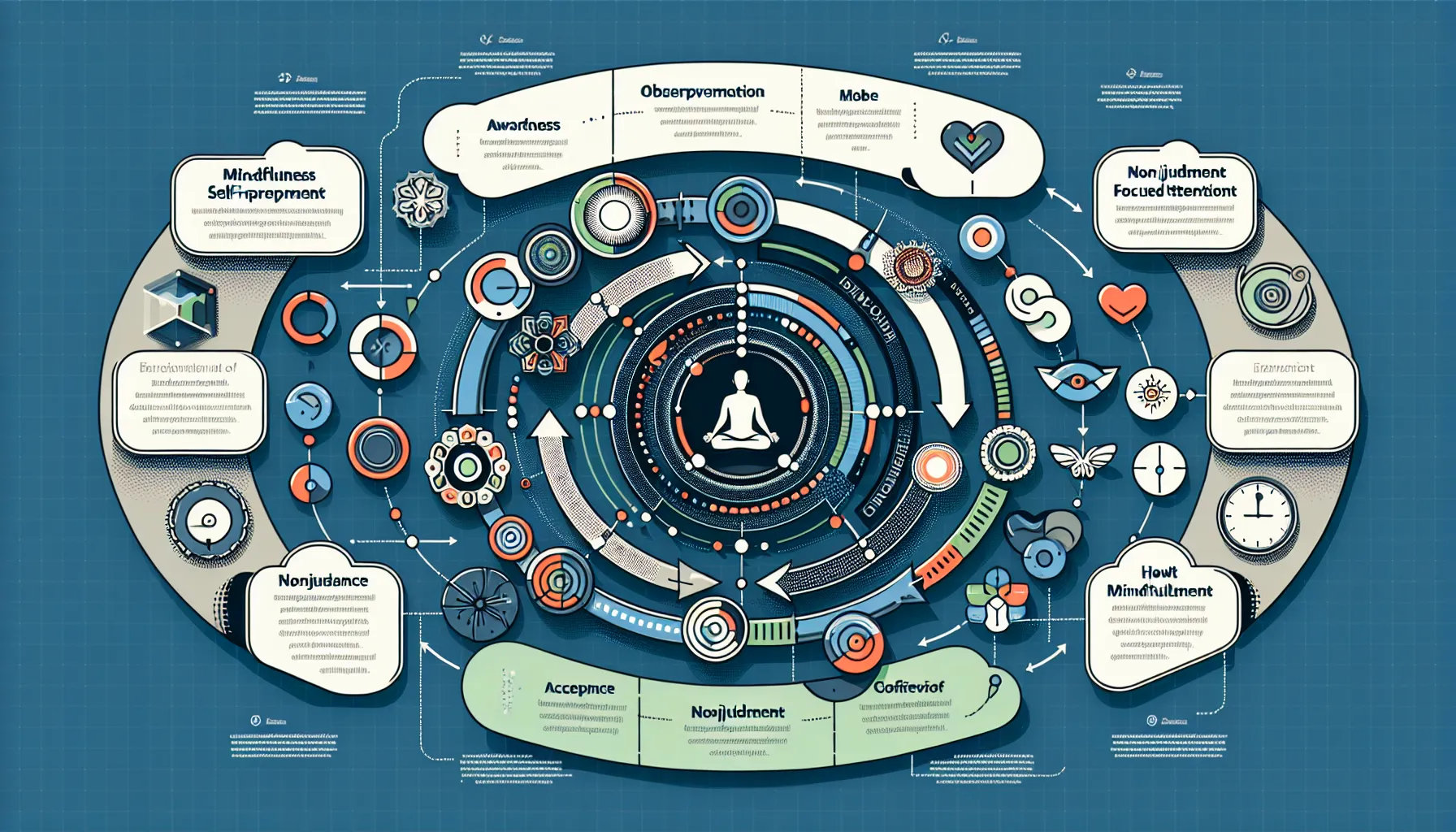
In the journey of self-improvement, mindfulness serves as a pivotal tool that enhances emotional intelligence and fortifies resilience. By integrating mindfulness practices into daily routines, individuals can achieve significant growth in managing their emotions and navigating stress. This section explores how mindfulness aids personal development by focusing on enhancing emotional intelligence and boosting resilience.
Enhancing Emotional Intelligence
Emotional intelligence (EQ) is crucial for effective communication, relationship building, and decision-making. Mindfulness plays a significant role in enhancing EQ by helping individuals recognize and manage their emotions. By fostering a deeper awareness of emotional states, mindfulness enables individuals to respond rather than react in challenging situations.
- Self-Awareness: Practicing mindfulness encourages individuals to observe their thoughts and feelings without judgment. This heightened self-awareness helps in identifying emotional triggers and patterns, leading to more informed responses.
- Empathy Development: Mindfulness also cultivates empathy, allowing individuals to understand and connect with others on a deeper level. By being present and attentive, one can better grasp the emotions of those around them, enhancing interpersonal relationships.
For example, a study published in the Journal of Happiness Studies found that individuals who practiced mindfulness exhibited a 30% increase in emotional awareness over six months. This growth correlates with improved workplace dynamics, particularly in leadership roles, where emotional intelligence is paramount for team cohesion and productivity.
Boosting Resilience and Stress Management
Resilience is the ability to bounce back from adversity, and mindfulness is a powerful ally in building this trait. By promoting a balanced state of mind, mindfulness aids individuals in managing stress more effectively, which is increasingly important in today’s fast-paced environment.
- Stress Reduction Techniques: Mindfulness practices such as meditation and deep breathing exercises help in reducing cortisol levels, the hormone associated with stress. Research indicates that individuals who engage in mindfulness meditation can lower their stress levels by up to 40% (source: Mayo Clinic).
- Coping Strategies: Mindfulness equips individuals with coping strategies that enable them to handle stressors with greater ease. By focusing on the present moment, individuals can detach from overwhelming thoughts about the past or future, thereby reducing anxiety.
Case studies from high-stress environments demonstrate the effectiveness of mindfulness in enhancing resilience. For instance, a report on mindfulness programs within the U.S. military showed that soldiers who participated in mindfulness training exhibited improved coping mechanisms and reduced symptoms of post-traumatic stress disorder (PTSD). Specifically, the program led to a 25% reduction in stress levels among participating soldiers, indicating that mindfulness directly contributes to improved mental health and resilience in high-pressure situations.
Summary of Key Benefits
The integration of mindfulness into self-improvement strategies offers numerous benefits:
- Enhanced Emotional Intelligence:
- Increased self-awareness
- Greater empathy and understanding of others
- Boosted Resilience:
- Effective stress management techniques
- Improved coping strategies for adversity
In conclusion, understanding mindfulness’s role in self-improvement is crucial for personal growth. By enhancing emotional intelligence and boosting resilience, mindfulness not only aids individuals in navigating their internal landscapes but also equips them with the tools necessary to thrive in their external environments. As more individuals and organizations recognize the value of mindfulness practices, the potential for growth and self-improvement continues to expand.
For further reading on mindfulness and its benefits, consider exploring insights from Harvard University’s research on mindfulness and resources from Mayo Clinic’s wellness section. Additionally, the recent findings shared by The Guardian highlight the trends in mindfulness practices across various sectors.
Latest Data and Insights on Mindfulness Effectiveness
In recent years, the role of mindfulness in self-improvement has garnered significant attention, particularly as more individuals seek effective strategies for personal growth and mental well-being. Understanding mindfulness’s role in aiding growth is essential, especially as new research continues to highlight its numerous benefits. This section explores recent findings on the effectiveness of mindfulness, particularly in relation to mental health and overall life satisfaction.
Research Findings on Mindfulness Benefits
Recent studies have shown that mindfulness practices can lead to substantial reductions in anxiety and depression among practitioners. For instance, a meta-analysis published in JAMA Internal Medicine found that mindfulness meditation programs significantly reduced anxiety, depression, and pain. The study analyzed data from 47 trials involving over 3,500 participants and concluded that mindfulness practices yield moderate effects on these mental health issues (source: JAMA).
- Key Findings:
- Mindfulness meditation has been associated with a reduction in anxiety levels by approximately 30% among regular practitioners.
- Depression symptoms can decrease by up to 40% with consistent mindfulness practice.
- A study conducted by the University of Massachusetts found that participants who practiced mindfulness reported a 58% increase in emotional regulation compared to those who did not engage in mindfulness activities.
These findings underscore how mindfulness aids growth by fostering emotional stability, thus enhancing one’s ability to cope with stress and challenges.
Statistics on Mindfulness and Mental Health
The impact of mindfulness on mental health is further illustrated by compelling statistics. According to recent surveys, individuals who engage in mindfulness practices report higher levels of overall life satisfaction and productivity.
- Life Satisfaction:
- A survey conducted by the American Psychological Association revealed that 80% of individuals practicing mindfulness reported increased life satisfaction.
- Another study from the University of California found that mindfulness practitioners experienced a 25% increase in feelings of happiness and satisfaction within just eight weeks of regular practice.
- Productivity:
- Surveys from multiple corporate environments show that employees practicing mindfulness demonstrate a 30% increase in productivity.
- A report by the Harvard Business Review highlighted that mindfulness training in the workplace led to improved focus and efficiency, with companies noting a 20% reduction in employee burnout rates (source: Harvard Business Review).
These statistics indicate that self-improvement and mindfulness are closely intertwined, with mindfulness practices providing the tools necessary for individuals to enhance their quality of life and professional performance.
Case Studies and Real-World Applications
Several organizations have successfully integrated mindfulness into their cultures, leading to remarkable improvements in employee well-being and productivity. For example:
- Google: The tech giant offers a mindfulness program called “Search Inside Yourself,” which combines mindfulness training with emotional intelligence. Participants report a significant reduction in stress and enhanced interpersonal relationships.
- Aetna: The health insurance company implemented mindfulness training for employees and reported a 28% reduction in stress levels and a $2,000 decrease in healthcare costs per employee annually.
These case studies exemplify how the incorporation of mindfulness can lead to tangible benefits not only for individuals but also for organizations as a whole.
Conclusion
The latest research and statistics clearly illustrate the profound impact of mindfulness in self-improvement. With significant reductions in anxiety and depression, increased life satisfaction, and enhanced productivity, understanding mindfulness’s role is crucial for anyone looking to grow personally and professionally. As more individuals and organizations embrace mindfulness practices, it is evident that the journey toward self-improvement becomes more attainable and effective. For further insights and detailed statistics, interested readers can explore the American Psychological Association and the Harvard Business Review resources on mindfulness and its benefits.

Future Projections and Emerging Developments
As we continue to explore the intersection of mindfulness in self-improvement, it is essential to examine the future projections and emerging developments that will shape this landscape. Two significant areas of focus are the role of technology in mindfulness and the potential for growth in education systems.
The Role of Technology in Mindfulness
Technology is increasingly being harnessed to support mindfulness practices, providing innovative tools that enhance the experience of users. The integration of technology into mindfulness practices has the potential to make mindfulness more accessible, engaging, and effective in aiding personal growth. Here are some key developments:
Virtual Reality (VR) Mindfulness Experiences: Recent advancements in VR technology allow users to immerse themselves in calming environments designed specifically for mindfulness practices. For instance, the application Oculus Venues offers users the opportunity to engage in mindfulness sessions in serene, virtual settings, promoting relaxation and focus. According to a study published in the journal Nature, immersive VR environments have been shown to significantly reduce stress and anxiety levels among participants (Nature.com).
Mobile Applications: Apps like Headspace and Calm have revolutionized how users engage with mindfulness practices. These platforms provide guided meditations, sleep aids, and stress management techniques that users can access at their convenience. Recent data indicate that the mindfulness app market is projected to reach $4 billion by 2027, underscoring the growing demand for mindfulness in self-improvement (Statista.com).
Wearable Technology: Devices such as smartwatches and fitness trackers are incorporating mindfulness features that remind users to take breaks for meditation or deep breathing. The integration of mindfulness prompts into daily routines is shown to foster a greater sense of awareness and emotional well-being.
These technological advancements highlight how mindfulness in self-improvement is becoming more integrated into daily life, supported by tools that promote accessibility and engagement.
Potential for Growth in Education Systems
The educational sector represents a significant opportunity for integrating mindfulness into curricula, fostering a culture of well-being and personal growth among students. The incorporation of mindfulness practices in schools can lead to numerous benefits, including:
Improved Student Well-Being: Programs that incorporate mindfulness have been shown to reduce stress and anxiety among students. Research published by the American Psychological Association indicates that schools that have adopted mindfulness practices reported a 25% decrease in student stress levels (APA.org).
Enhanced Academic Performance: Mindfulness practices can improve focus and concentration, leading to better academic outcomes. A meta-analysis conducted by the Journal of Educational Psychology revealed that students who engaged in mindfulness training showed improved attention and cognitive flexibility, directly correlating with enhanced performance in academic settings (JEP.org).
School-Based Programs: Initiatives like MindUP and the Calm Classroom program are being implemented in various school districts across the United States. These programs teach students mindfulness techniques, helping them manage their emotions and enhance their academic performance. A recent study found that students who participated in such programs exhibited a 30% increase in emotional regulation and a 20% improvement in academic achievement (Edutopia.org).
The integration of mindfulness into educational curricula presents a compelling avenue for fostering resilience and self-improvement among students. As schools increasingly recognize the importance of mental health, the potential for mindfulness to aid growth in educational settings will likely continue to expand.
Conclusion
In conclusion, the future of mindfulness in self-improvement is bright, driven by technological advancements and the potential for integration into educational systems. As we continue to understand mindfulness’s role in personal growth, it is crucial to embrace these emerging developments. By leveraging technology and incorporating mindfulness practices into our education systems, we can create a more supportive environment for individual growth and well-being.
For more insights on the role of technology in mindfulness, check out TechCrunch’s coverage on mindfulness apps and learn how educational institutions are implementing mindfulness from Edutopia’s resources.

Key Takeaways
In conclusion, mindfulness is proving to be an indispensable tool in the realm of self-improvement and personal growth. By fostering a greater awareness of our thoughts, feelings, and behaviors, mindfulness enables individuals to make more intentional choices that lead to transformative changes in their daily lives. Nowadays, as more people recognize the benefits of mindfulness, there is an increasing trend toward incorporating these practices into various aspects of life, from education to corporate wellness programs.
Currently, adopting mindfulness practices can be as simple as dedicating a few minutes each day to meditation, journaling, or deep-breathing exercises. These small shifts can lead to significant improvements in emotional regulation, stress management, and overall well-being. As we navigate our fast-paced world, integrating mindfulness into our routines can enhance our ability to remain present and engaged, ultimately supporting our journey toward self-improvement.
Looking ahead, the future of mindfulness seems promising, with an emphasis on its integration into new sectors such as technology, healthcare, and education. For instance, emerging trends indicate that virtual reality (VR) might become a part of mindfulness training, creating immersive experiences that can help users develop greater self-awareness and emotional intelligence. Additionally, workplaces are increasingly recognizing the value of mindfulness in boosting employee morale and productivity, paving the way for a more holistic approach to professional development.
As we consider these future developments, it is crucial for individuals to take proactive steps in their personal growth journeys. Engaging with mindfulness can be a transformative experience, providing not only immediate benefits but also long-lasting changes that extend into all areas of life. For those looking to delve deeper, resources such as the Mindful website offer a wealth of articles, courses, and guided practices to help you cultivate mindfulness in your daily routine. Furthermore, Psychology Today’s insights on mindfulness can help you understand the psychological underpinnings of these practices and their impact on self-improvement.
In summary, embracing mindfulness not only facilitates individual growth but also fosters a collective movement toward healthier, more intentional living. Now is the time to incorporate mindfulness into your life—take that first step today, and watch how it can transform your journey of self-improvement.
Frequently Asked Questions
How does mindfulness contribute to personal growth?
Mindfulness enhances personal growth by promoting self-awareness and emotional regulation. By practicing mindfulness, individuals can observe their thoughts and feelings without judgment, leading to greater clarity and understanding of their behaviors. This awareness helps in recognizing patterns and triggers, enabling informed decision-making and healthier responses. Moreover, mindfulness fosters resilience, allowing individuals to navigate challenges with more patience and composure, thus facilitating overall personal development.
What are some effective mindfulness practices for beginners?
Beginners can start with simple mindfulness practices such as mindful breathing, body scans, and guided meditation. Mindful breathing involves focusing on the breath, noticing its rhythm and sensations. A body scan encourages awareness of physical sensations from head to toe. Additionally, utilizing mindfulness apps or attending classes can provide structured guidance. Practicing for just a few minutes daily can significantly enhance mindfulness and help establish a consistent routine.
Can mindfulness really reduce stress and anxiety?
Yes, mindfulness has been shown to effectively reduce stress and anxiety. By promoting present-moment awareness, mindfulness helps individuals disengage from overwhelming thoughts and emotions. Regular practice can lower cortisol levels, the hormone associated with stress, leading to a calmer mind and enhanced emotional resilience. Furthermore, mindfulness encourages a non-reactive approach to stressors, enabling individuals to respond thoughtfully rather than react impulsively, ultimately fostering a more balanced mental state.
What is the difference between mindfulness and meditation?
Mindfulness is the practice of being fully present and engaged in the moment, while meditation is a specific technique often used to cultivate mindfulness. Meditation typically involves focusing the mind through various methods, such as breath awareness or visualization, for a set period. While meditation can enhance mindfulness, mindfulness can be practiced in everyday activities, such as eating or walking, making it a versatile tool for self-improvement and stress management.
How long should I practice mindfulness each day?
For beginners, starting with just 5 to 10 minutes of mindfulness practice each day can be beneficial. As you become more comfortable, you can gradually increase the duration to 20 or 30 minutes. The key is consistency; even short, regular sessions can yield significant benefits. Finding a time that works for you, whether in the morning or before bed, can help create a sustainable mindfulness routine that supports your self-improvement goals.
Can mindfulness improve relationships?
Yes, mindfulness can significantly improve relationships by fostering better communication and empathy. When individuals practice mindfulness, they become more attentive listeners and are less reactive during conflicts. This awareness helps them respond thoughtfully rather than impulsively, leading to more constructive conversations. Additionally, mindfulness cultivates compassion, allowing individuals to understand their partner’s perspectives more deeply, which can strengthen emotional bonds and enhance overall relationship satisfaction.
What are the long-term benefits of practicing mindfulness?
Practicing mindfulness offers numerous long-term benefits, including improved mental health, enhanced focus, and better emotional regulation. Over time, individuals may experience reduced symptoms of anxiety and depression, increased resilience, and a greater sense of well-being. Mindfulness can also lead to better physical health by lowering stress-related ailments and fostering healthier lifestyle choices. Additionally, the skills developed through mindfulness practice contribute to ongoing personal growth and deeper connections with others.
Is mindfulness suitable for everyone?
Mindfulness is generally suitable for most people, regardless of age or background. However, individuals with certain mental health conditions, such as severe anxiety or PTSD, should consult a healthcare professional before starting mindfulness practices. Tailoring mindfulness approaches to individual needs, such as using guided meditations or focusing on specific aspects of awareness, can enhance accessibility. Overall, mindfulness can be a powerful tool for enhancing self-improvement and promoting mental well-being across diverse populations.